Articles & Insights
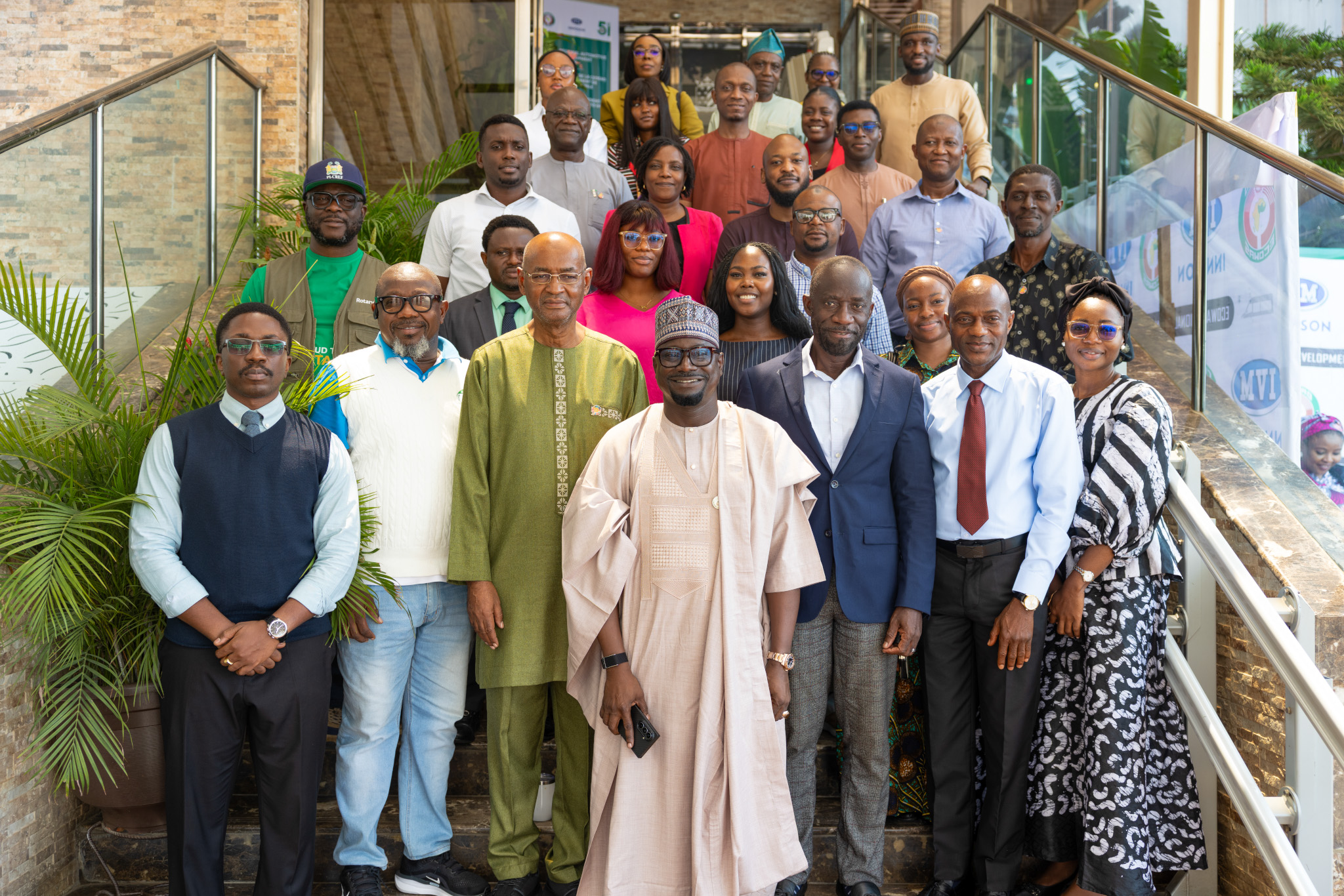
Nigeria Shares DRE Implementation Experience with Sierra Leone in Support of it’s National Energy Compact, 78% Energy Access Goal
As African countries intensify efforts to expand energy access under Mission 300, the conversation is shifting beyond building renewable energy projects to designing the institutions, financing mechanisms and implementation models that make those projects sustainable.
Read More
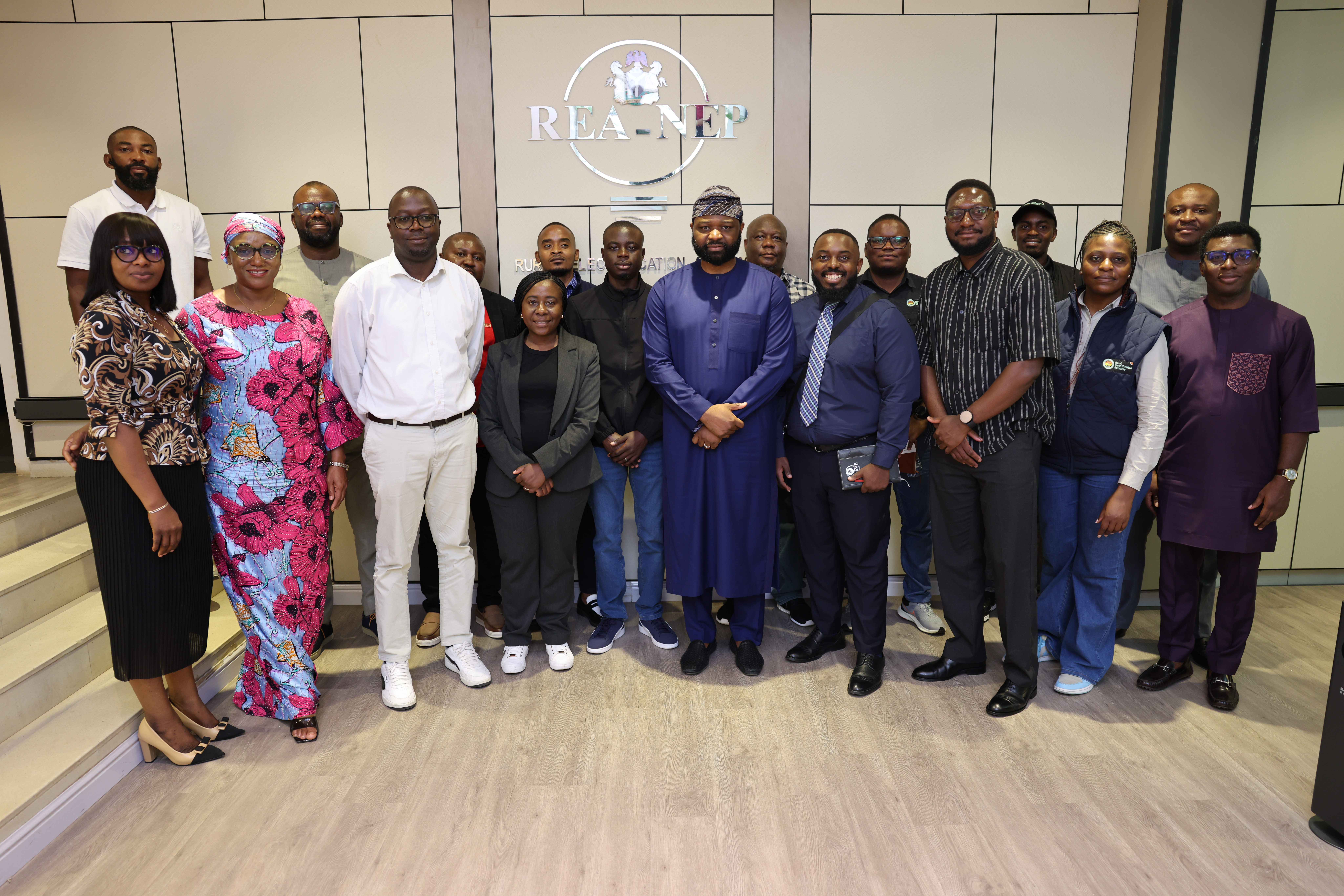
Nigeria's Electrification Blueprint Crosses Borders as Zambia Seeks DARES Lessons for US$200 Million Programme
A multidisciplinary delegation from Zambia's Rural Electrification Authority visited the Nigeria Electrification Programme (NEP) Project Office in Abuja for a knowledge-sharing mission on the DARES Project, seeking practical lessons to support its US$200 million ASCENT programme.
Read More
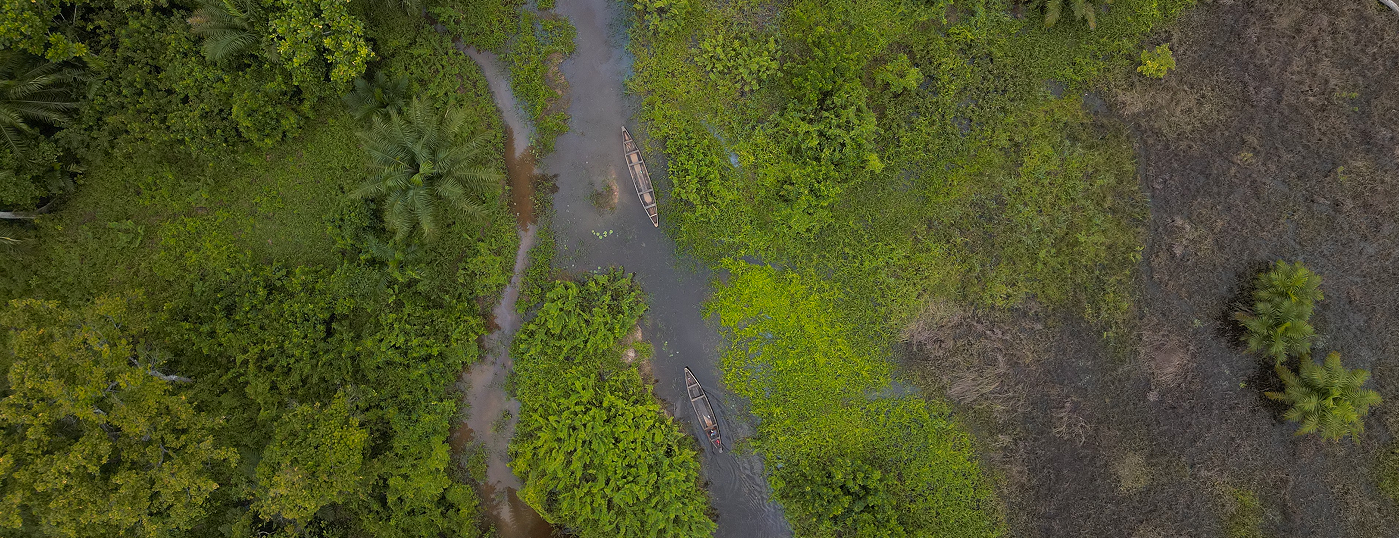
Embedding ESG for Impact: The Strategic Core of Nigeria DARES
In the Energy Industry, conversations on energy access often stop at megawatts, numbers of connections, or financing volumes. Yet the lasting success of large-scale energy programmes depends on an invisible but decisive architecture: environmental and social safeguards.
Read More

Aligning State and Federal Policies: A Data-Driven Look at Regulatory Harmonization in Nigeria's Electricity Sector
Nigeria’s evolving electricity landscape, particularly after the enactment of the Electricity Act 2023, has shifted from a predominantly centralized federal framework to a multi-level governance model.
Read More

California Delegation, REA-NEP, and Yakubu Gowon University Forge Pathways for Clean Energy Partnerships
In a high-level engagement that underscores the deepening ties between Africa’s largest economy and the world’s fifth-largest, the Nigeria Electrification Programme, alongside Yakubu Gowon University, hosted a distinguished delegation from California.
Read More
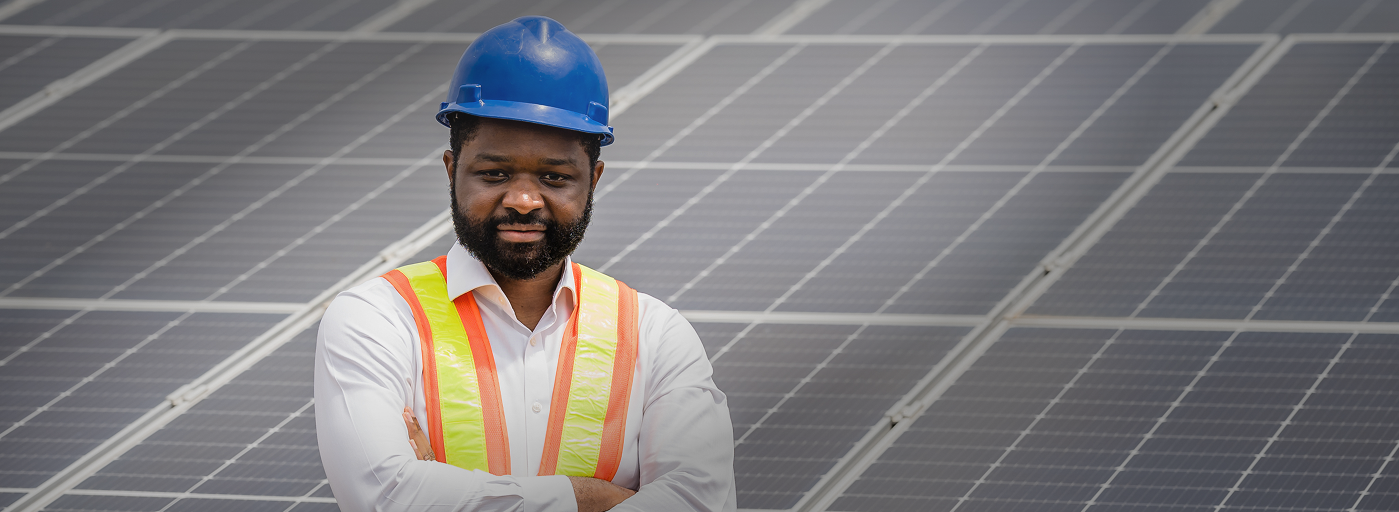
Blueprints for Scale: Embedding Sustainability, Achieving Impact, and Systemic Change in Africa's Next Electrification Frontier
If Africa is to define its future through energy, then the imperative is the industrialisation
of scale, a bold, systemic commitment to powering production, not just consumption. As of 2022,
Nigeria’s population was estimated at over 200 million by the National Bureau of Statistics
(Demographic Statistical Bulletin, 2022)...
Read More

Bridging Nigeria’s Electrification Gap with Evidence-based Strategies
Olufemi Akinyelure, the Head of the Nigeria Electrification Programme (NEP), under the World Bank-assisted Rural Electrification Agency (REA), is driving a new wave of innovative strategies to bridge Nigeria’s rural electrification gap
Read More

97th Power Dialogue: Bridging Electrification Gaps in Rural Communities
On August 28th, 2024, The Electricity Hub hosted its 97th Power Dialogue, focusing on "Bridging Electrification Gaps in Rural Communities." This event focused on tackling energy access challenges in rural Nigeria, bringing...
Read More


Additional Resources

Nigeria Shares DRE Implementation Experience with Sierra Leone in Support of it’s National Energy Compact, 78% Energy Access Goal
As African countries intensify efforts to expand energy access under Mission 300, the conversation is shifting beyond building renewable energy projects to designing the institutions, financing mechanisms and implementation models that make those projects sustainable.
Read More
Nigeria's Electrification Blueprint Crosses Borders as Zambia Seeks DARES Lessons for US$200 Million Programme
A multidisciplinary delegation from Zambia's Rural Electrification Authority visited the Nigeria Electrification Programme (NEP) Project Office in Abuja for a knowledge-sharing mission on the DARES Project, seeking practical lessons to support its US$200 million ASCENT programme.
Read More
Embedding ESG for Impact: The Strategic Core of Nigeria DARES
In the Energy Industry, conversations on energy access often stop at megawatts, numbers of connections, or financing volumes. Yet the lasting success of large-scale energy programmes depends on an invisible but decisive architecture: environmental and social safeguards.
Read More
Aligning State and Federal Policies: A Data-Driven Look at Regulatory Harmonization in Nigeria's Electricity Sector
Nigeria’s evolving electricity landscape, particularly after the enactment of the Electricity Act 2023, has shifted from a predominantly centralized federal framework to a multi-level governance model.
Read More
California Delegation, REA-NEP, and Yakubu Gowon University Forge Pathways for Clean Energy Partnerships
In a high-level engagement that underscores the deepening ties between Africa’s largest economy and the world’s fifth-largest, the Nigeria Electrification Programme, alongside Yakubu Gowon University, hosted a distinguished delegation from California.
Read More
Blueprints for Scale: Embedding Sustainability, Achieving Impact, and Systemic Change in Africa's Next Electrification Frontier
If Africa is to define its future through energy, then the imperative is the industrialisation
of scale, a bold, systemic commitment to powering production, not just consumption. As of 2022,
Nigeria’s population was estimated at over 200 million by the National Bureau of Statistics
(Demographic Statistical Bulletin, 2022)...
Read More
Bridging Nigeria’s Electrification Gap with Evidence-based Strategies
Olufemi Akinyelure, the Head of the Nigeria Electrification Programme (NEP), under the World Bank-assisted Rural Electrification Agency (REA), is driving a new wave of innovative strategies to bridge Nigeria’s rural electrification gap
Read More
97th Power Dialogue: Bridging Electrification Gaps in Rural Communities
On August 28th, 2024, The Electricity Hub hosted its 97th Power Dialogue, focusing on "Bridging Electrification Gaps in Rural Communities." This event focused on tackling energy access challenges in rural Nigeria, bringing...
Read More
