EEP Phase II
Following the lessons learned from Phase I of the Energizing Education Programme (EEP), Phase II
was restructured and integrated into the Nigeria Electrification Programme (NEP), funded by the
World Bank, to incorporate those insights and enhance implementation effectiveness.
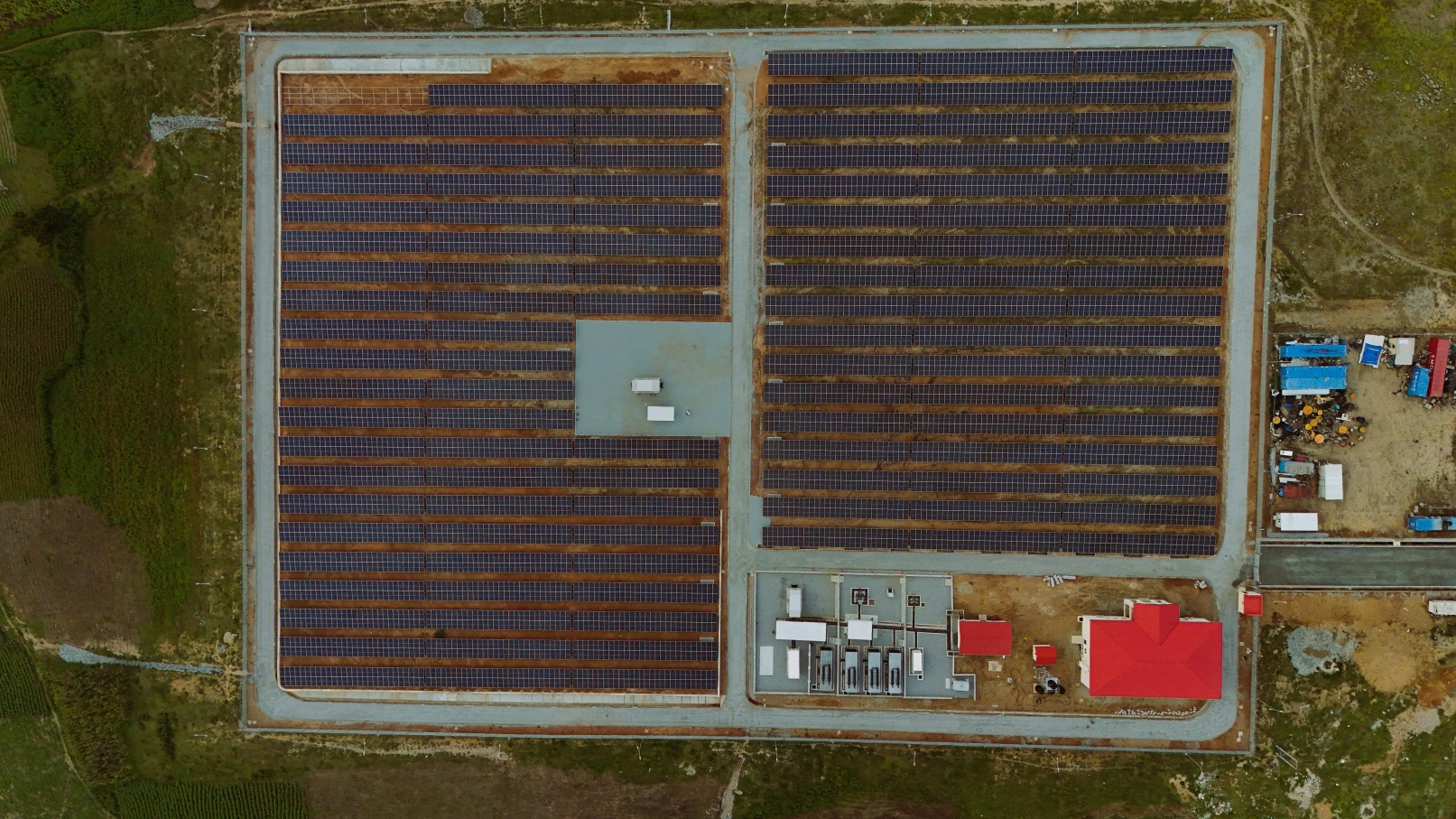
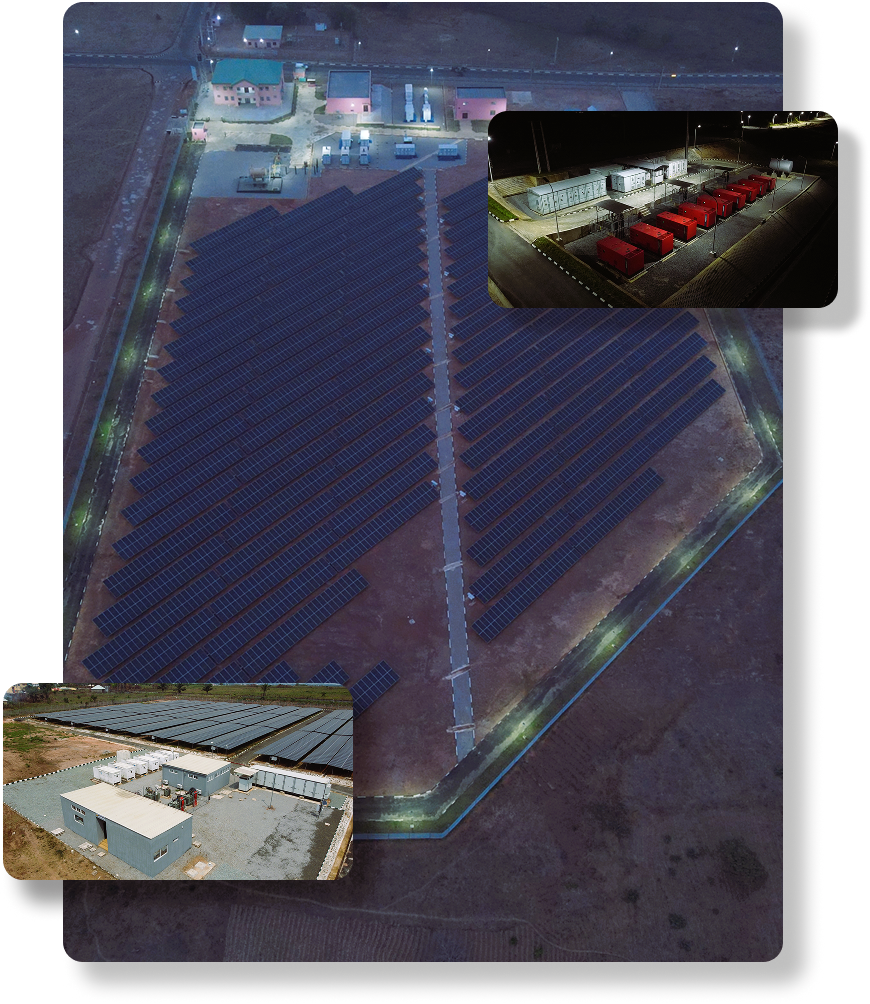
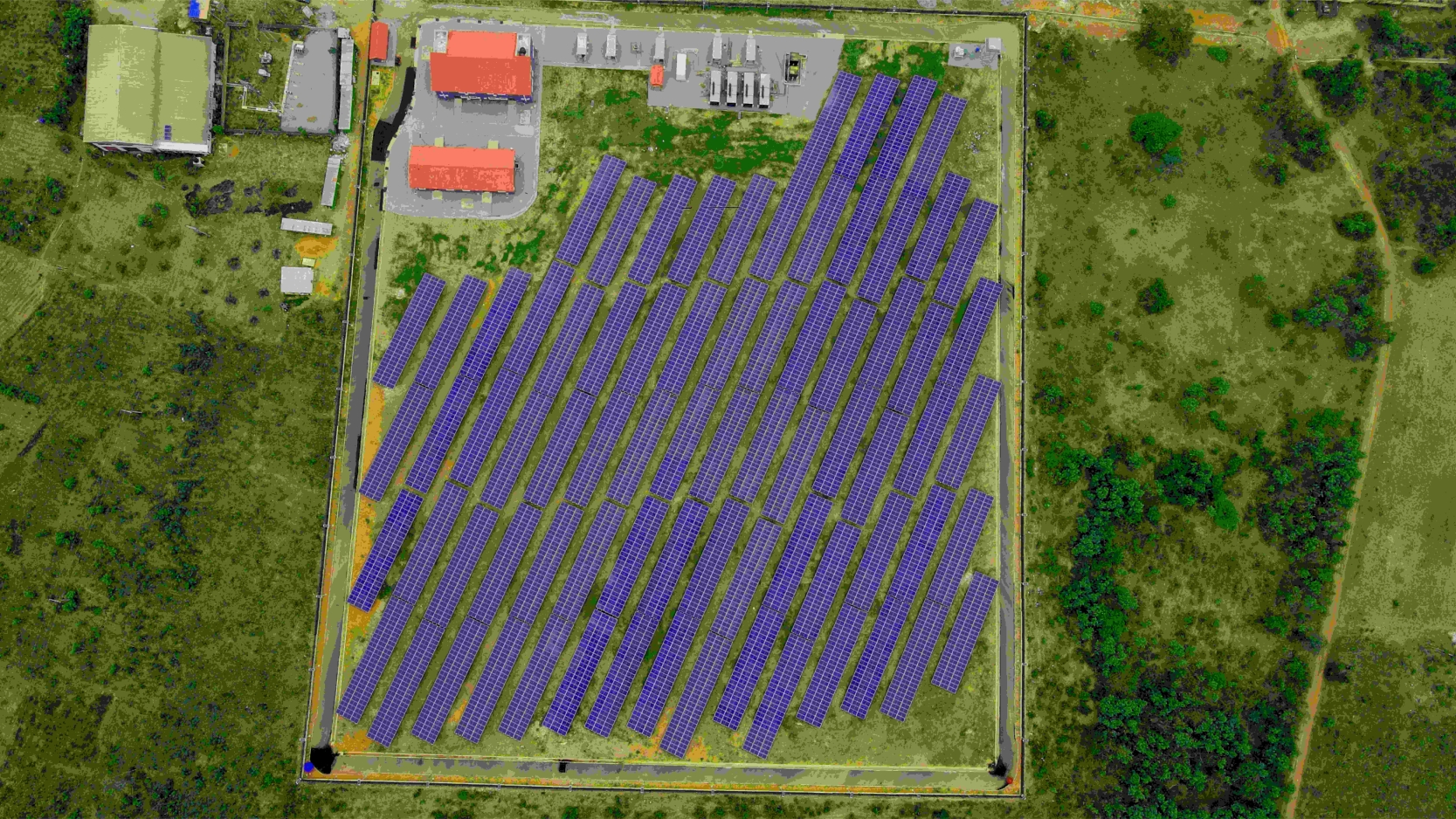
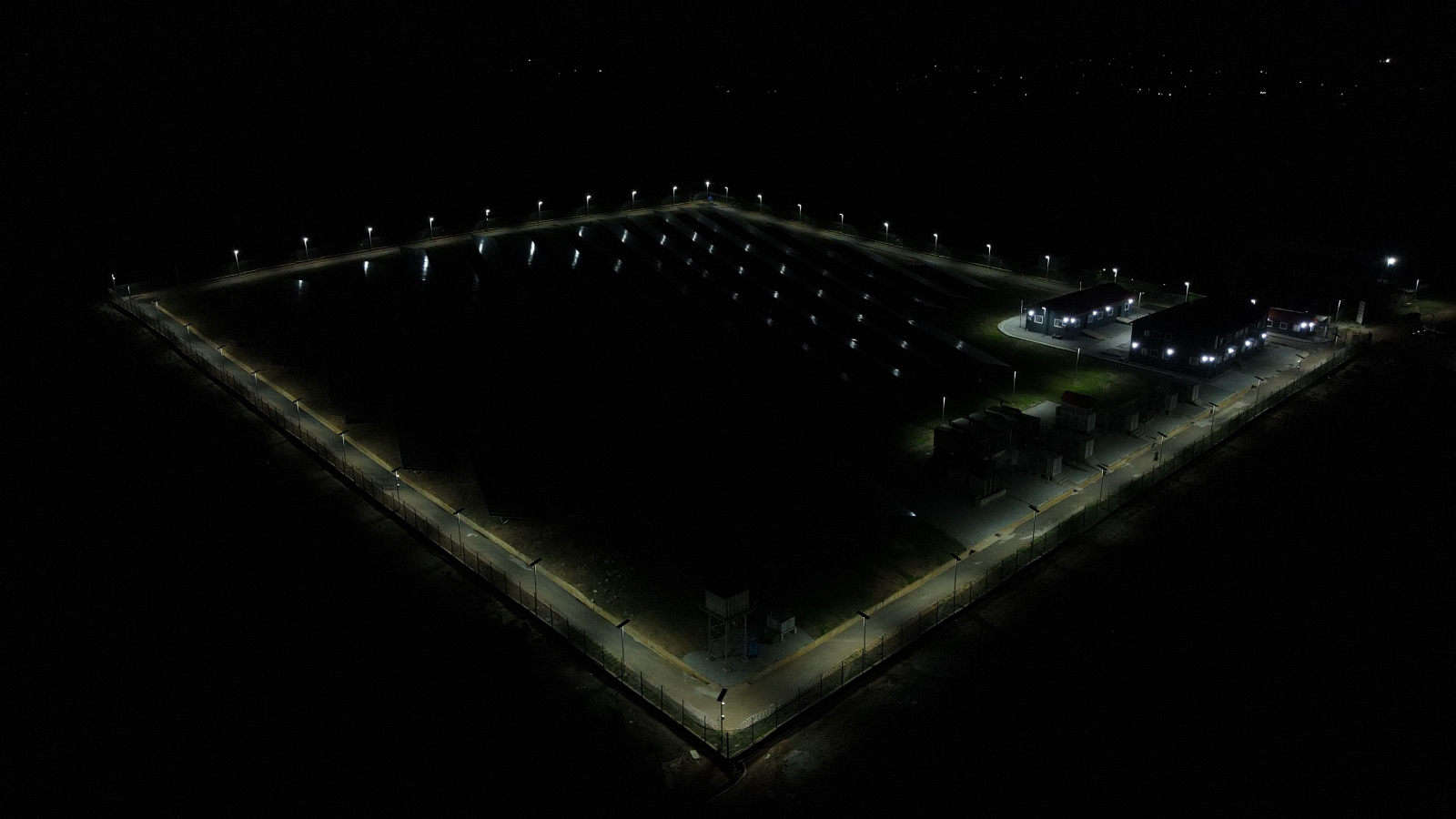
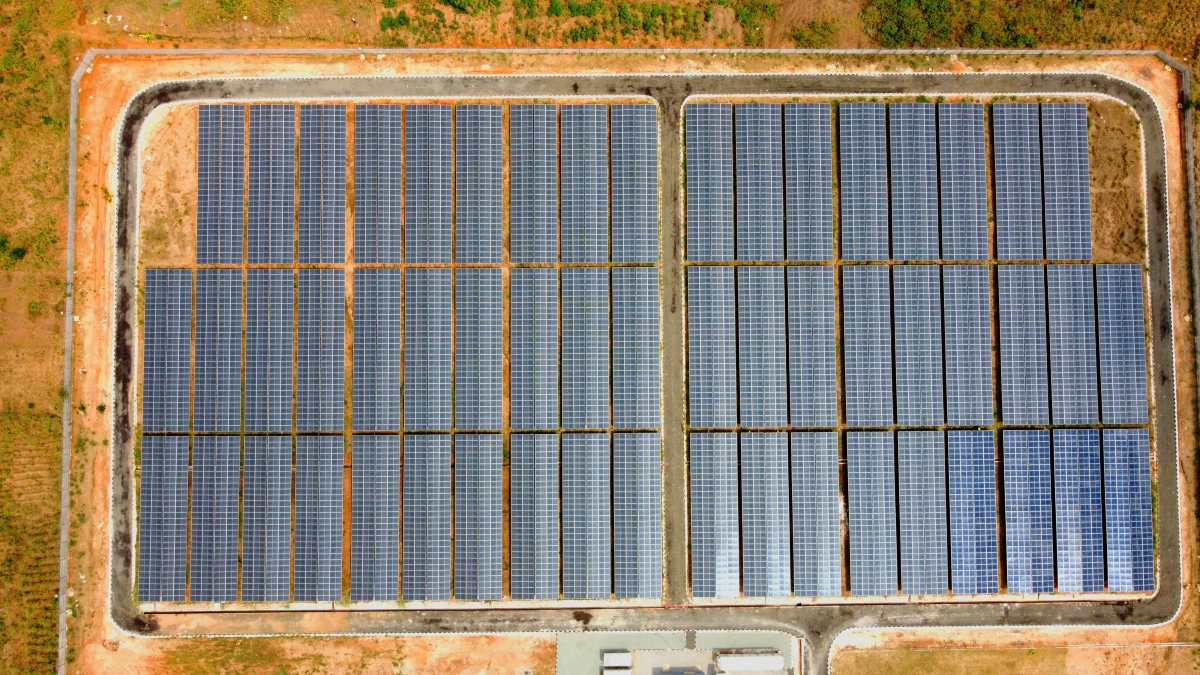
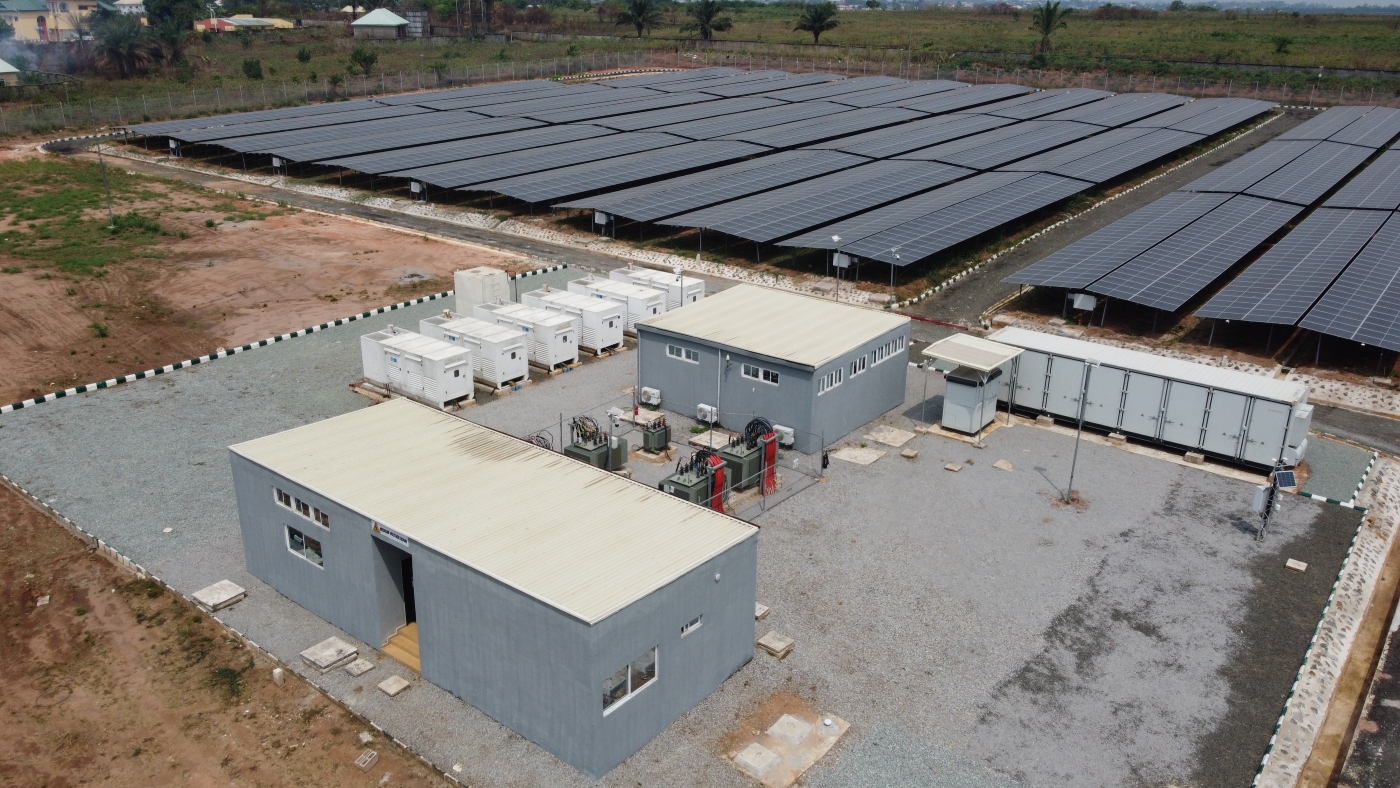
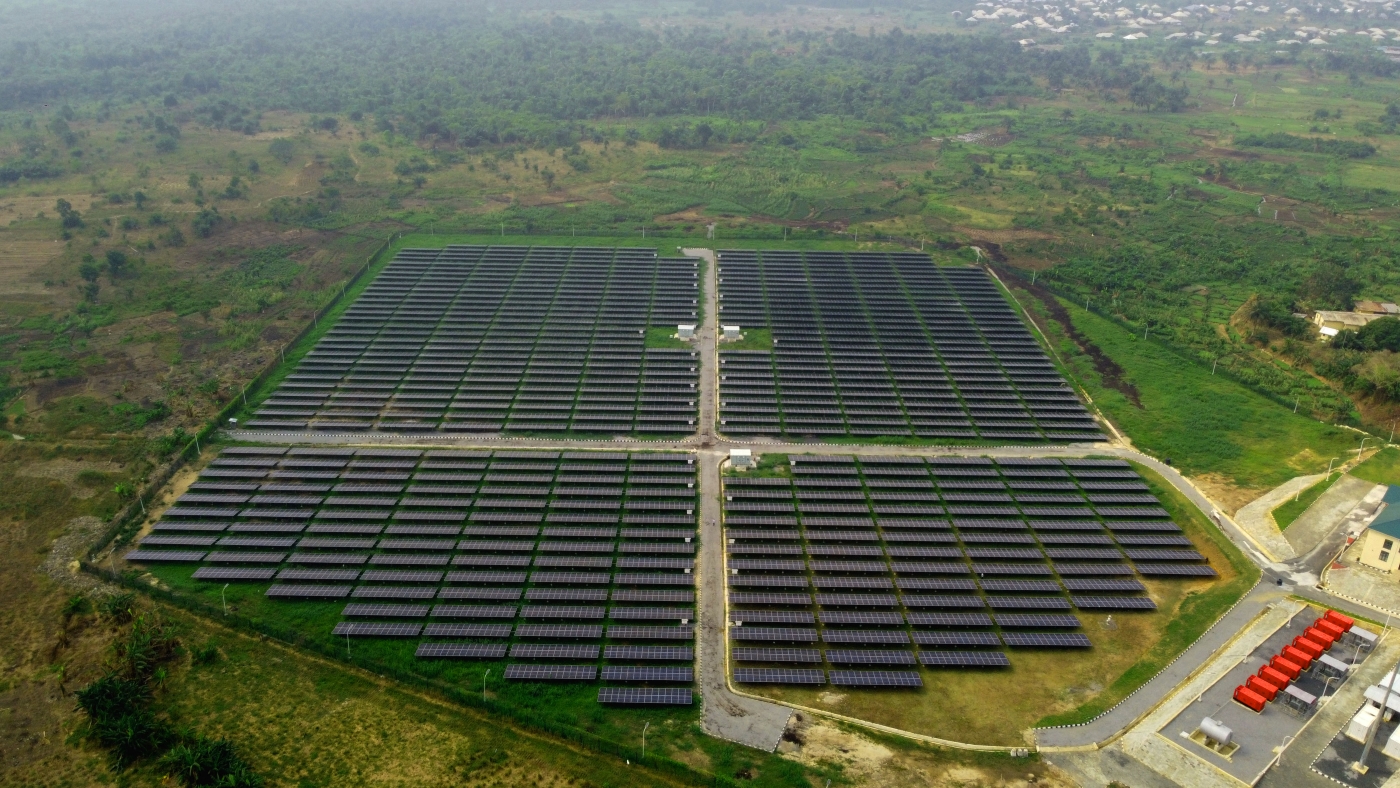
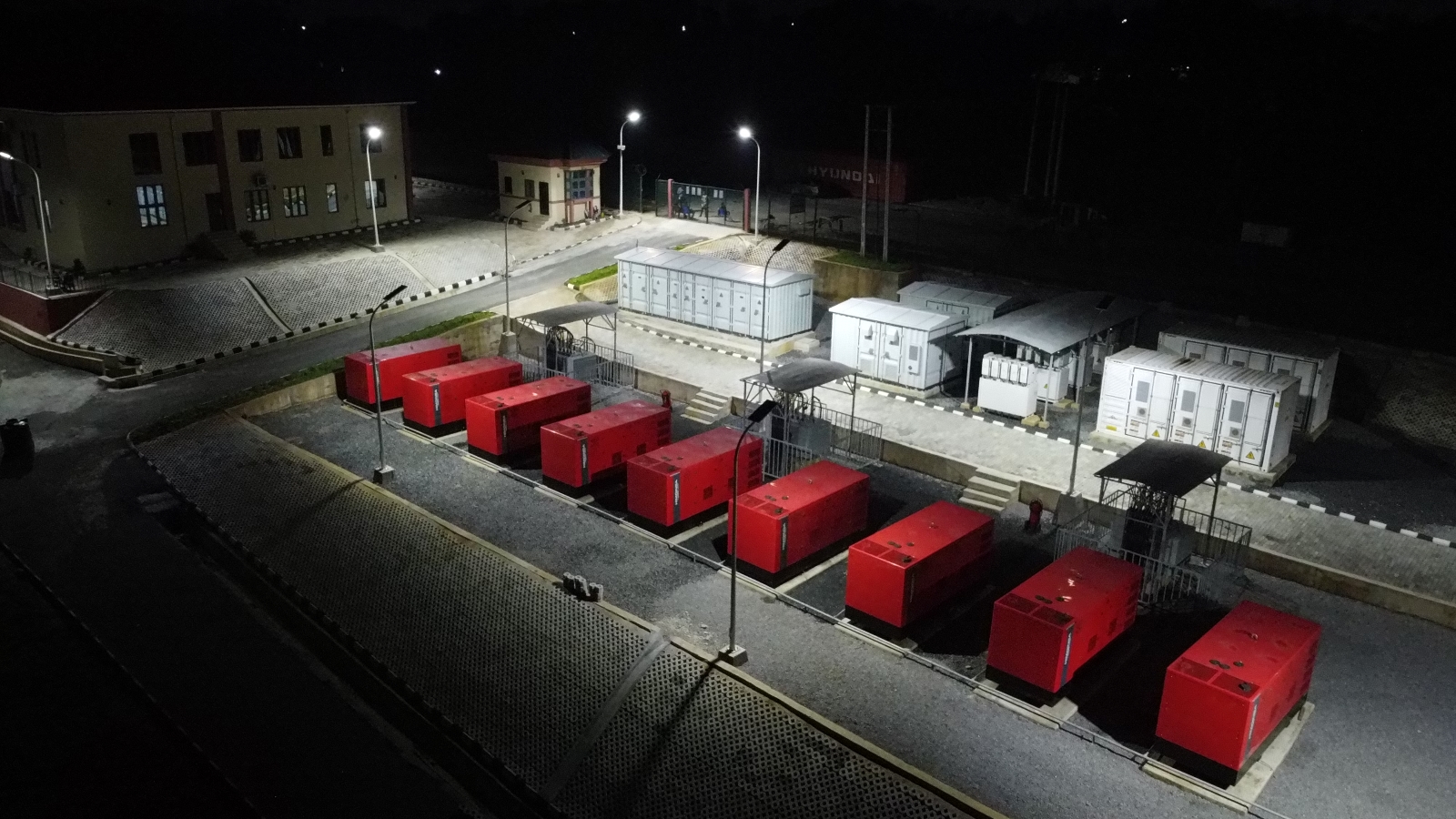
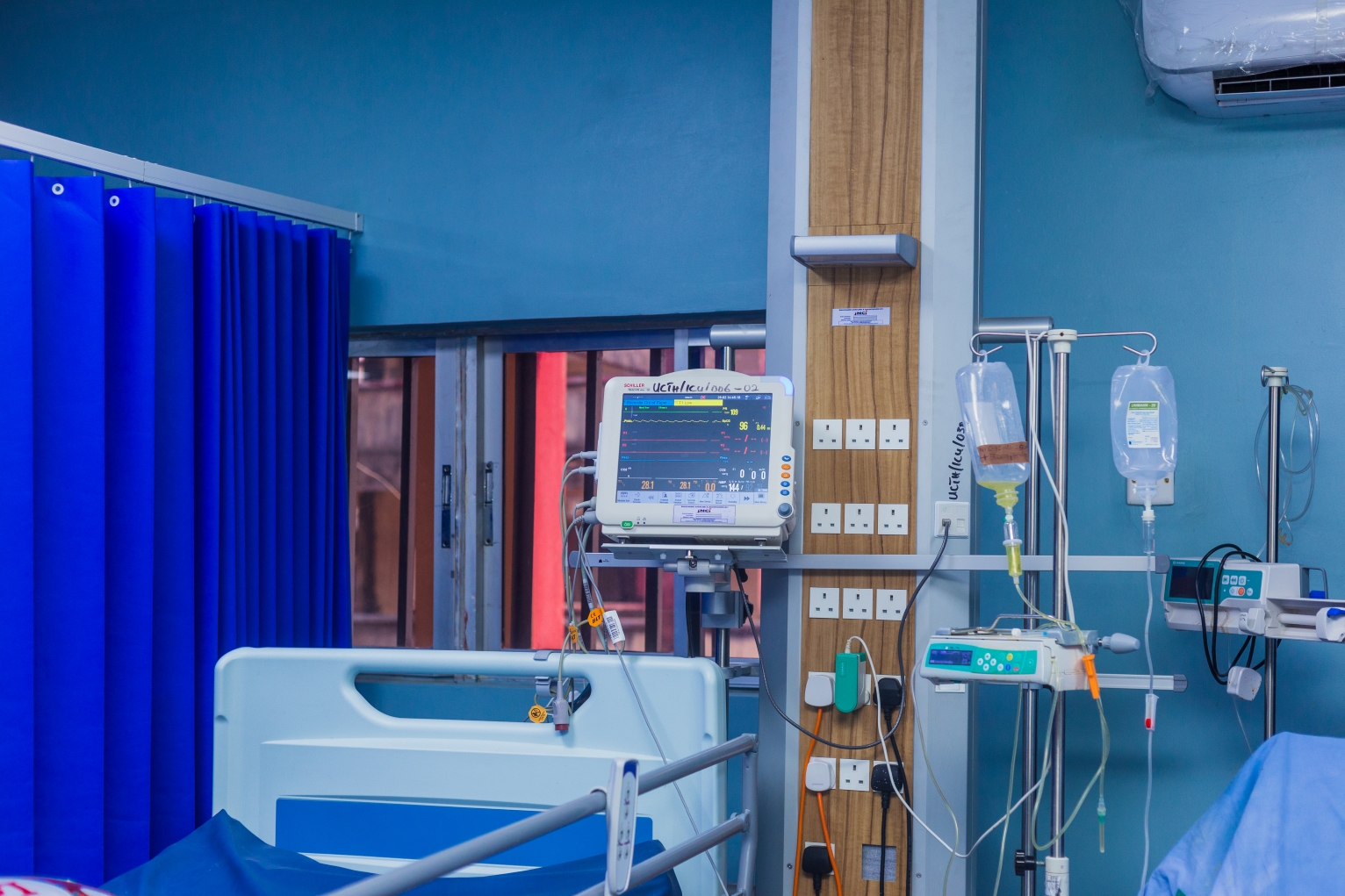
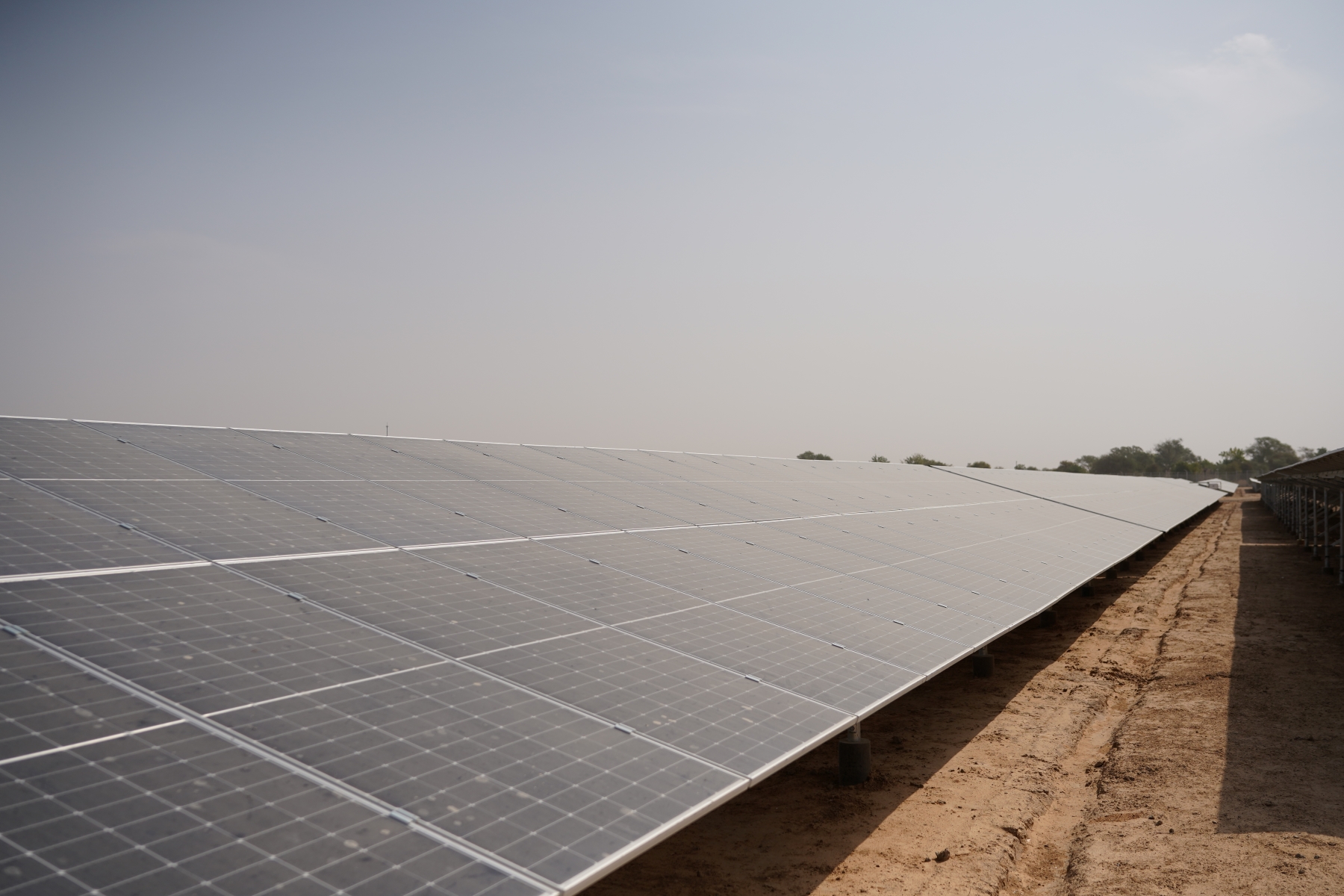
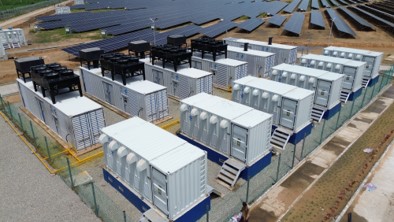
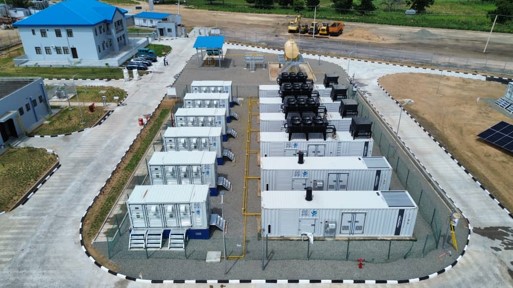
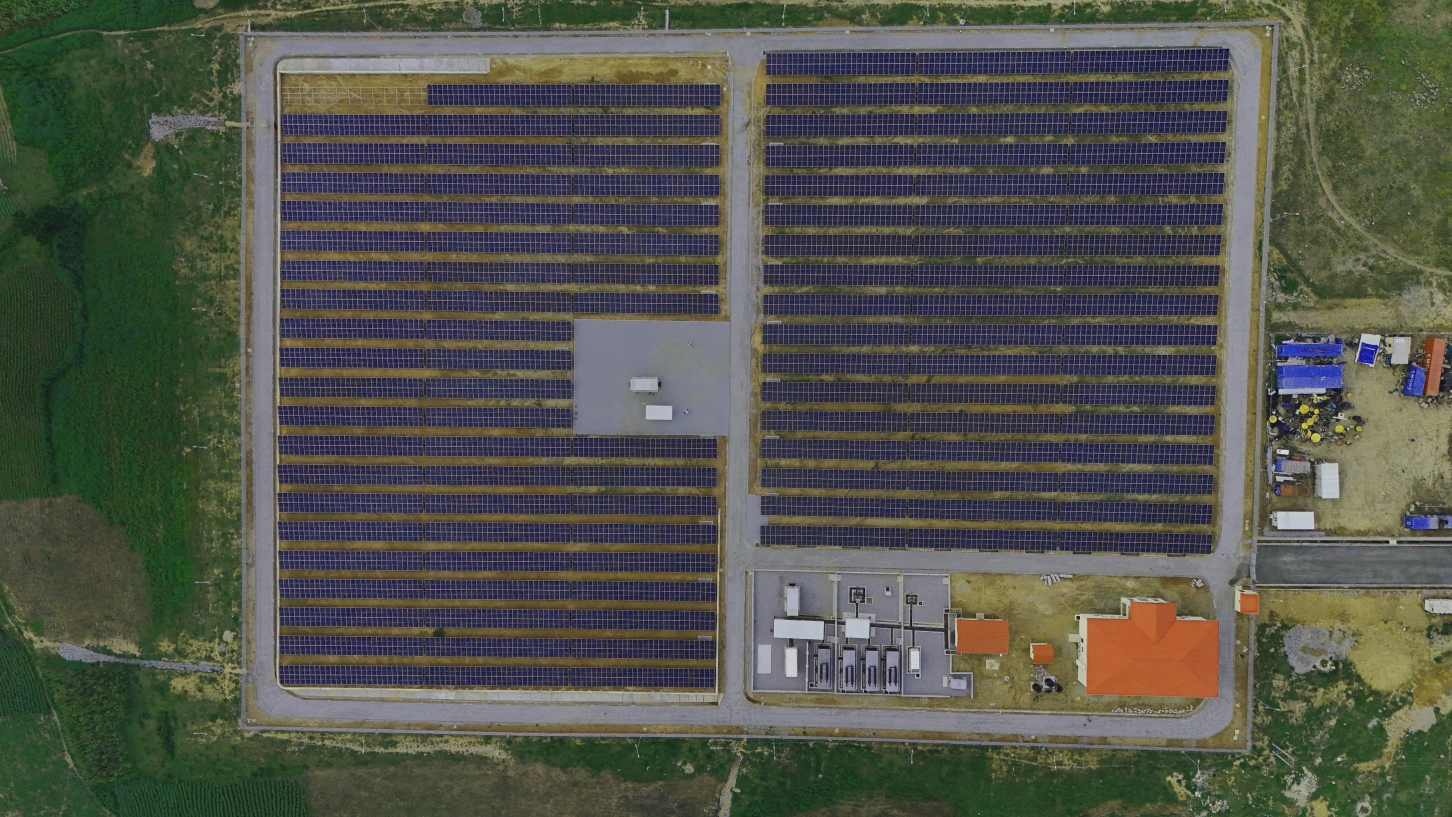
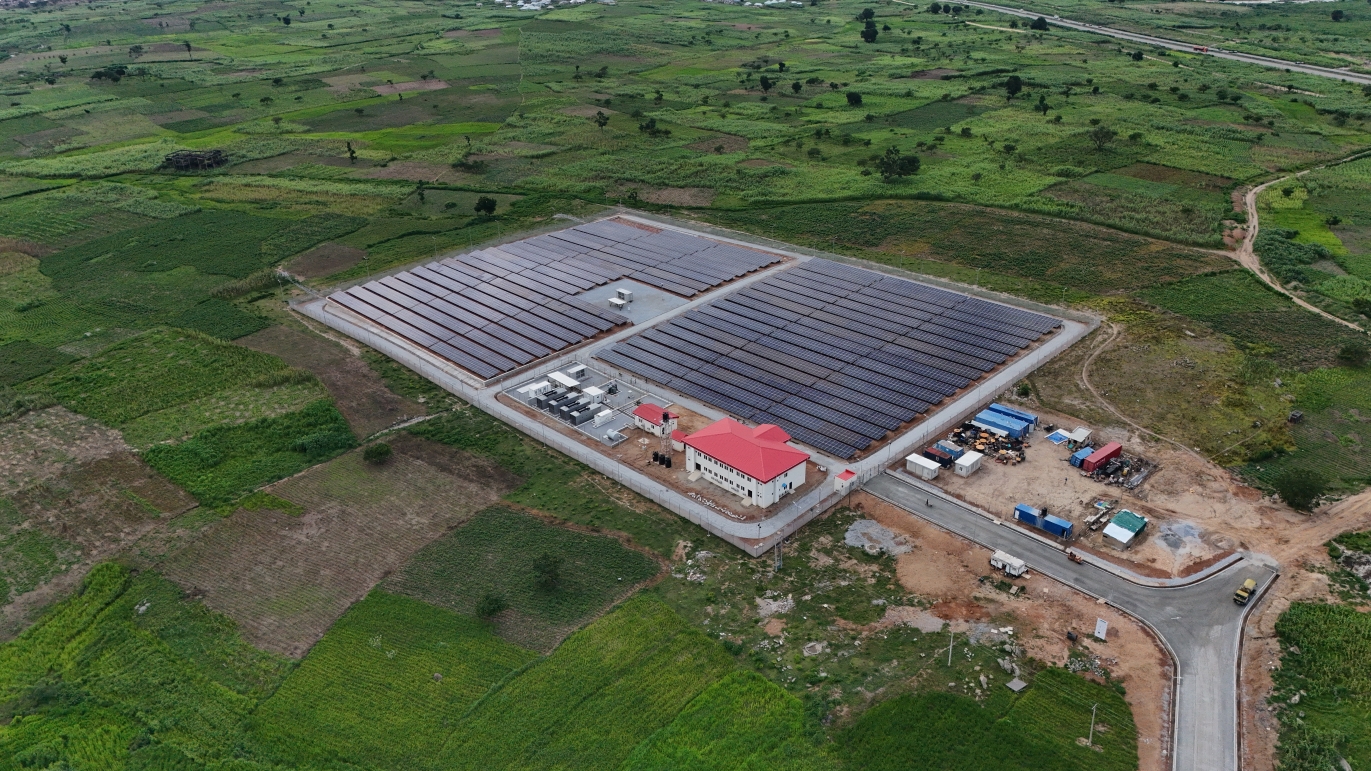
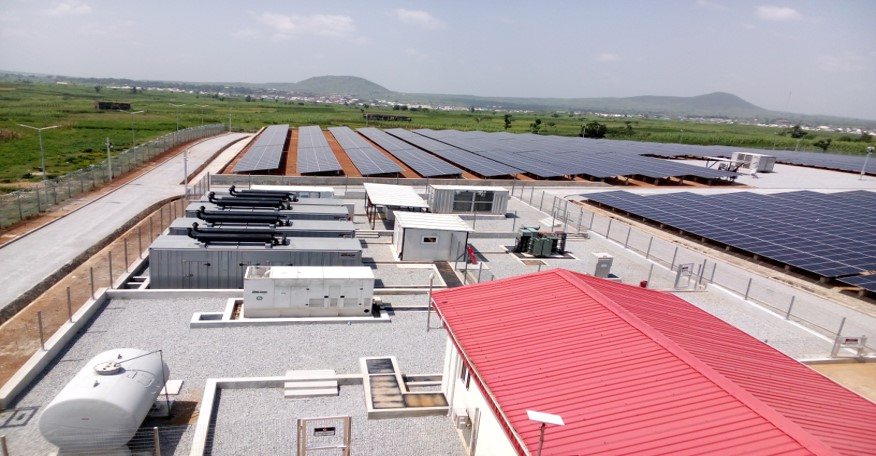
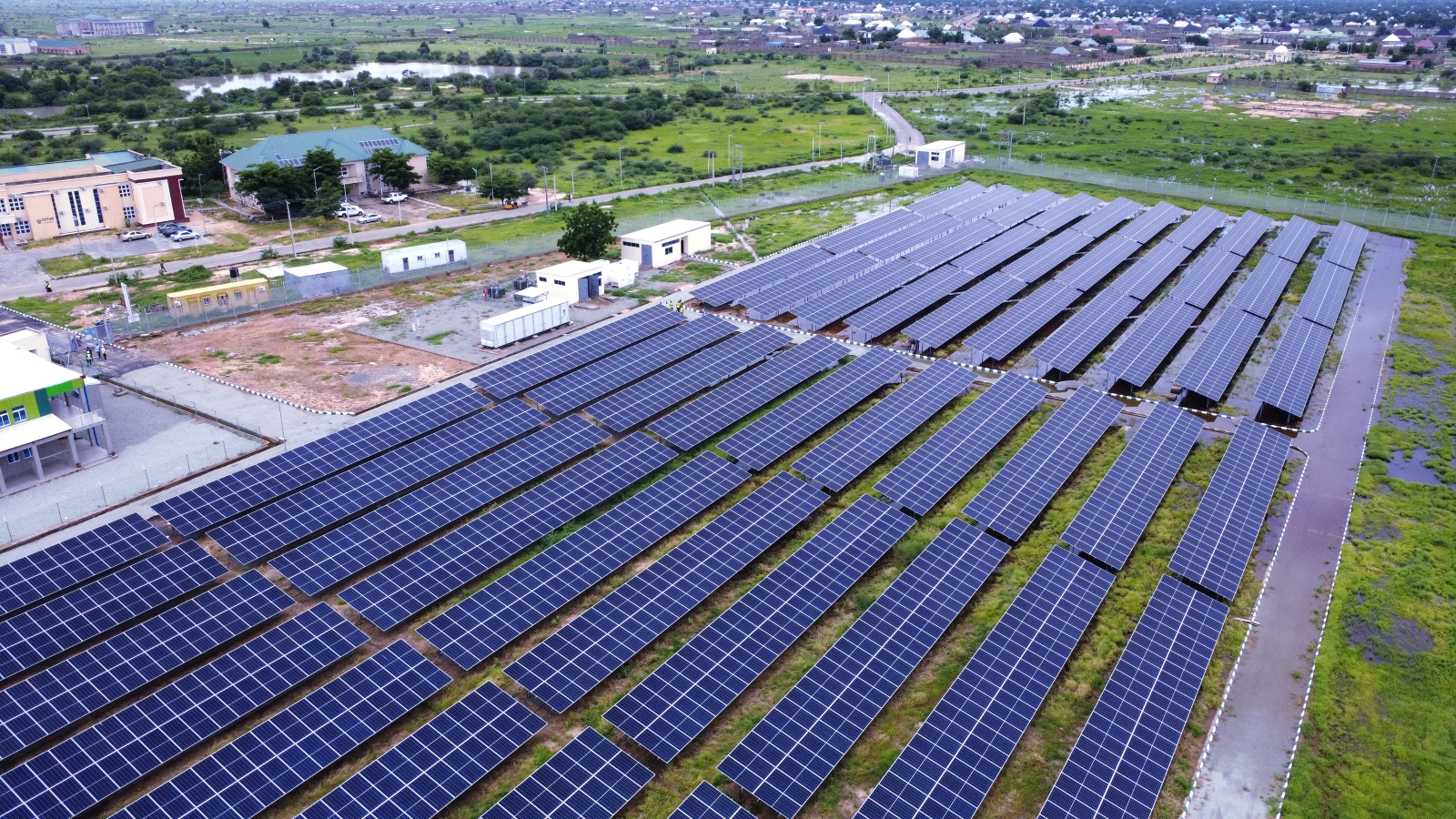
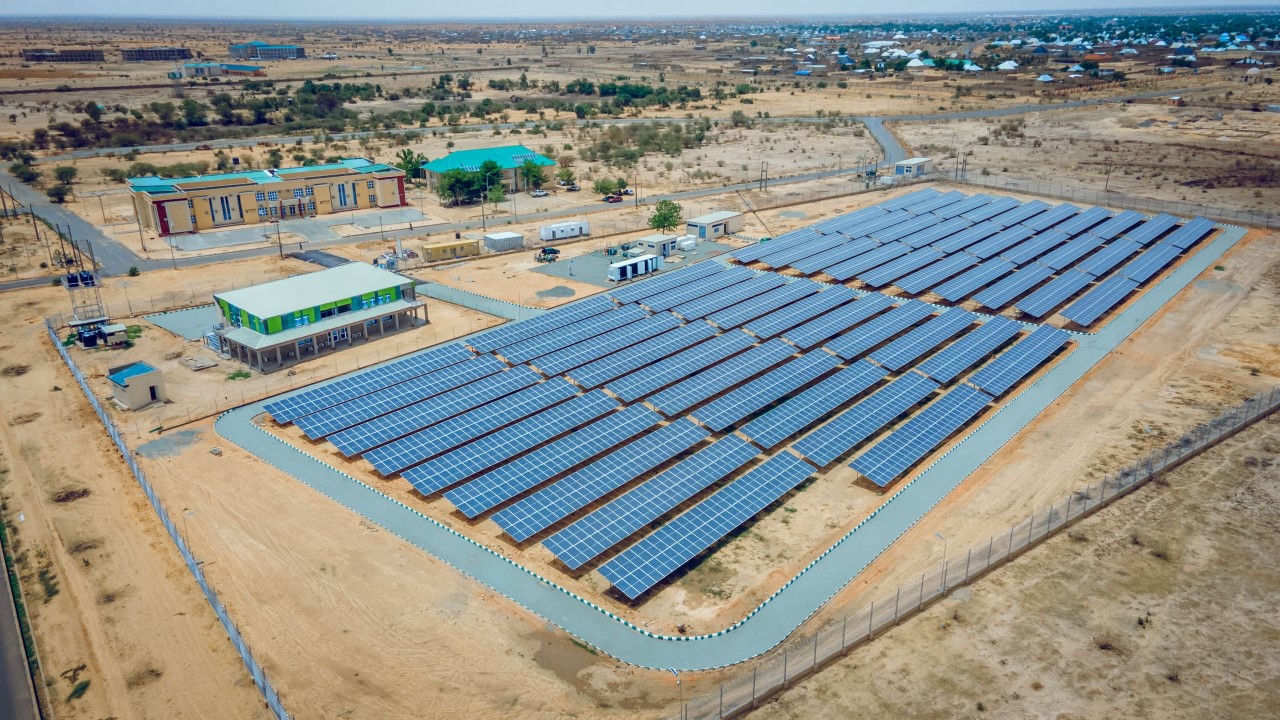
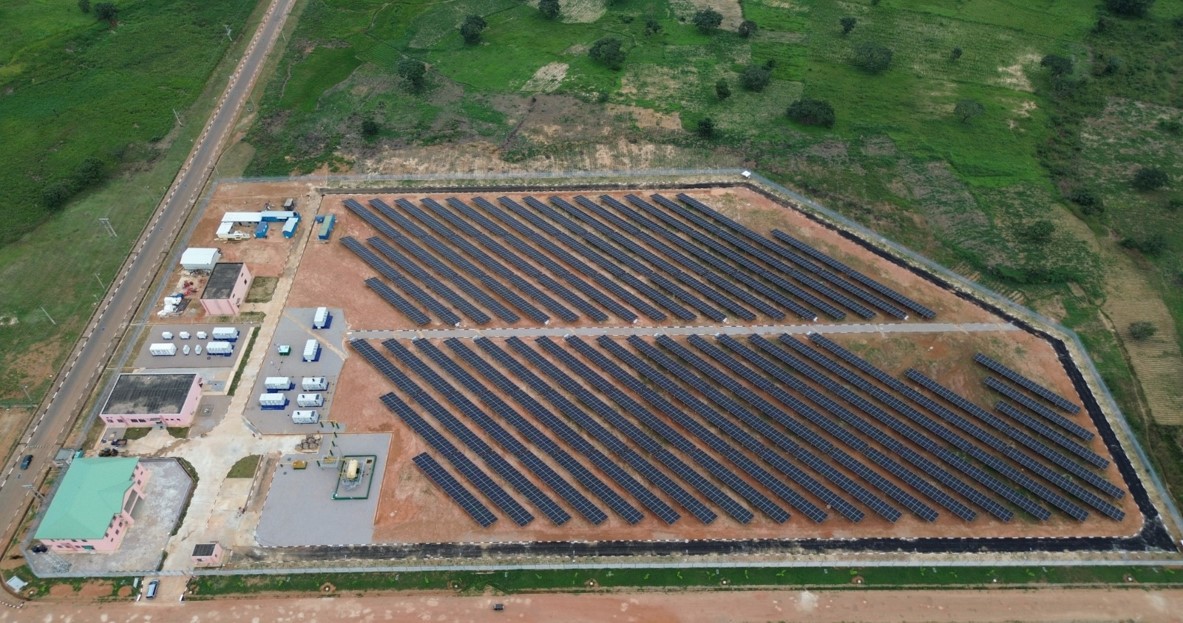
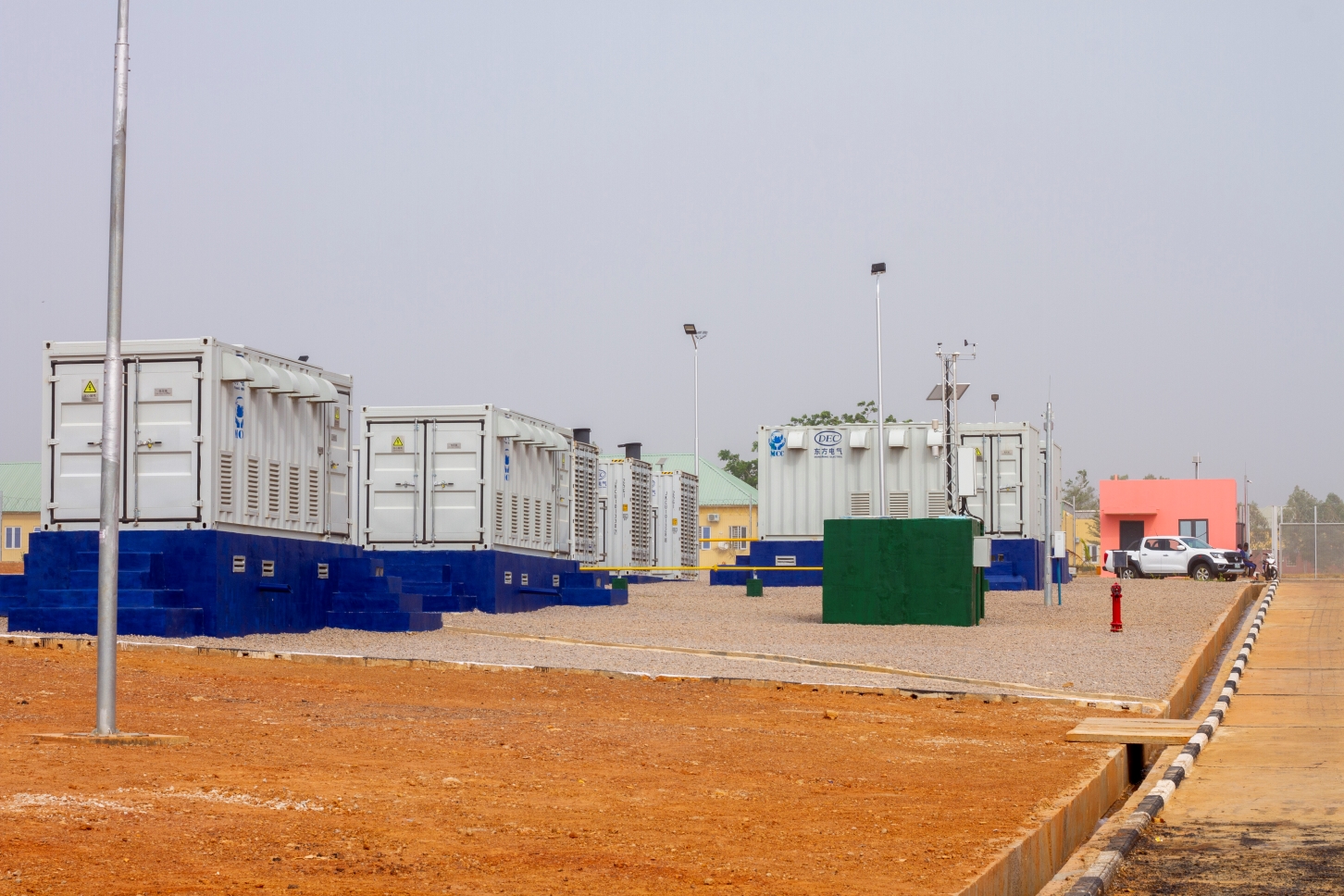
EEP Phase II aims to deliver affordable and reliable electricity to seven Federal Universities
and two affiliated Teaching Hospitals across Nigeria’s six geopolitical zones through the
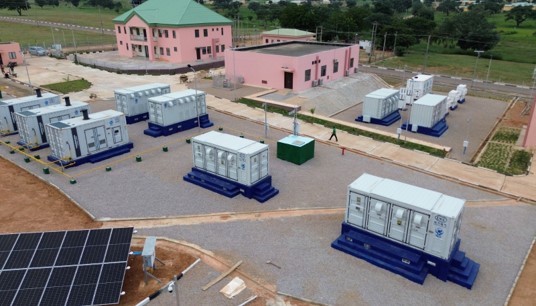
deployment of Captive Solar Hybrid Power Plants.
In addition to powering these
institutions, the project includes critical infrastructure upgrades such as:
-
Rehabilitation of existing distribution networks
-
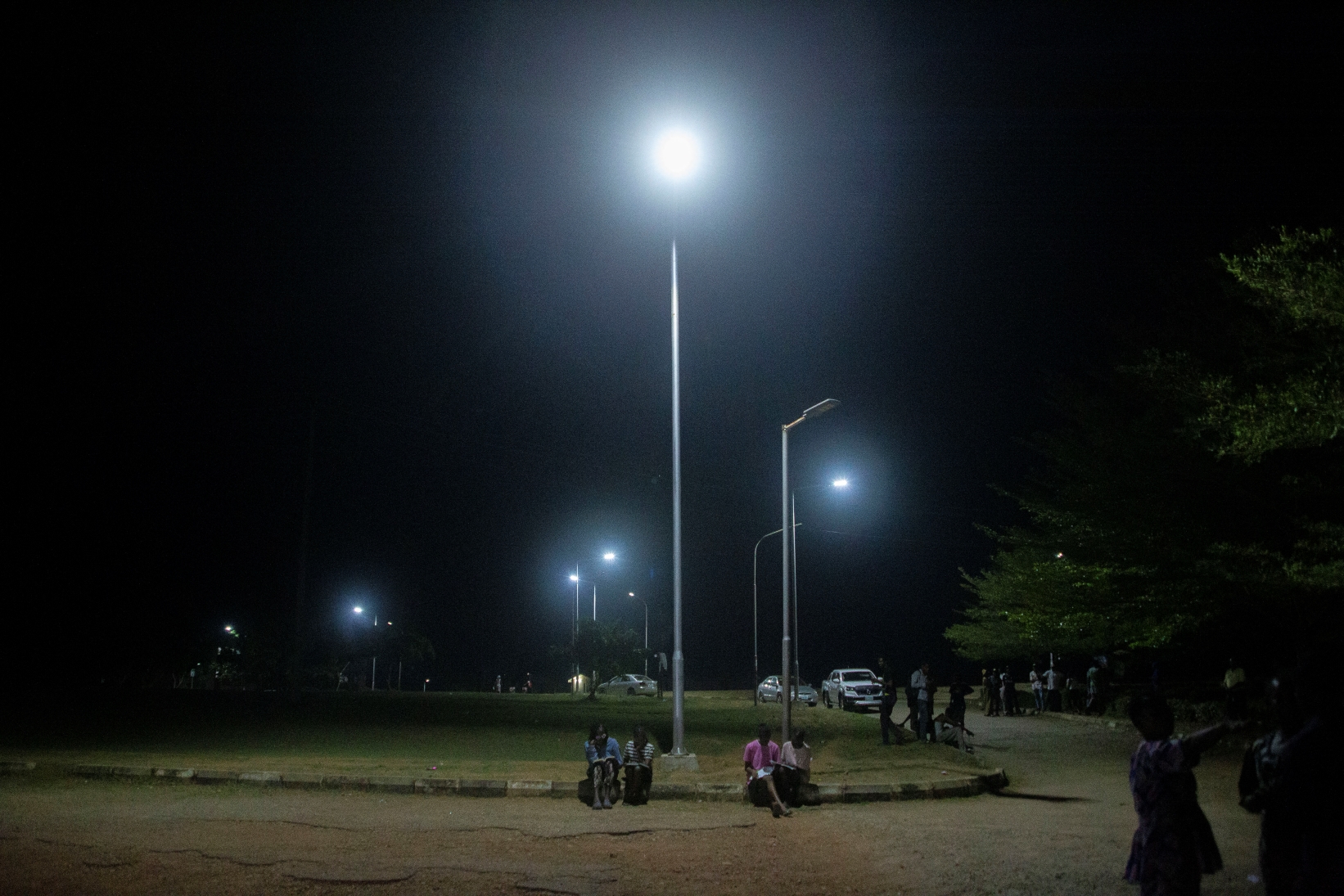
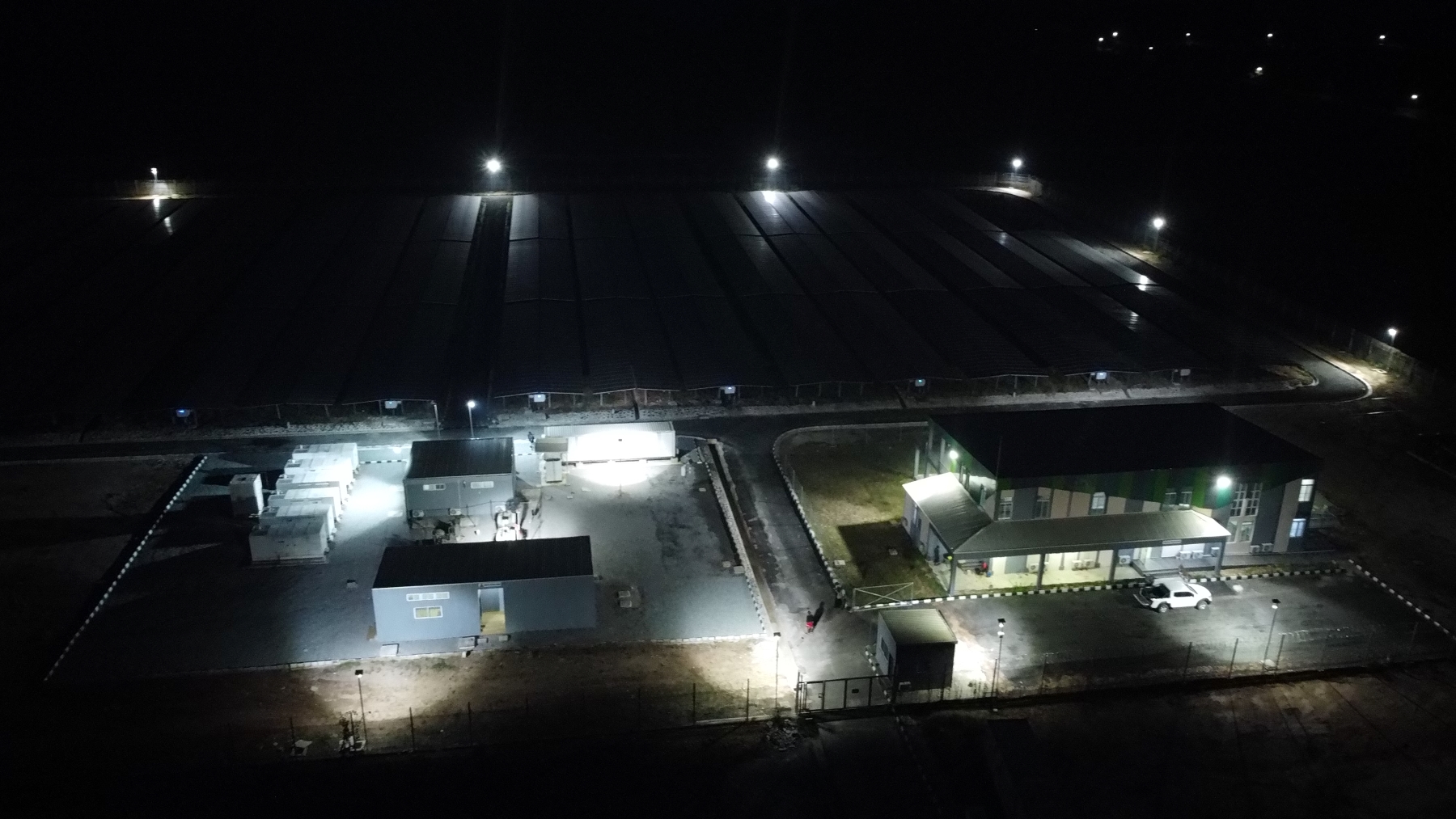
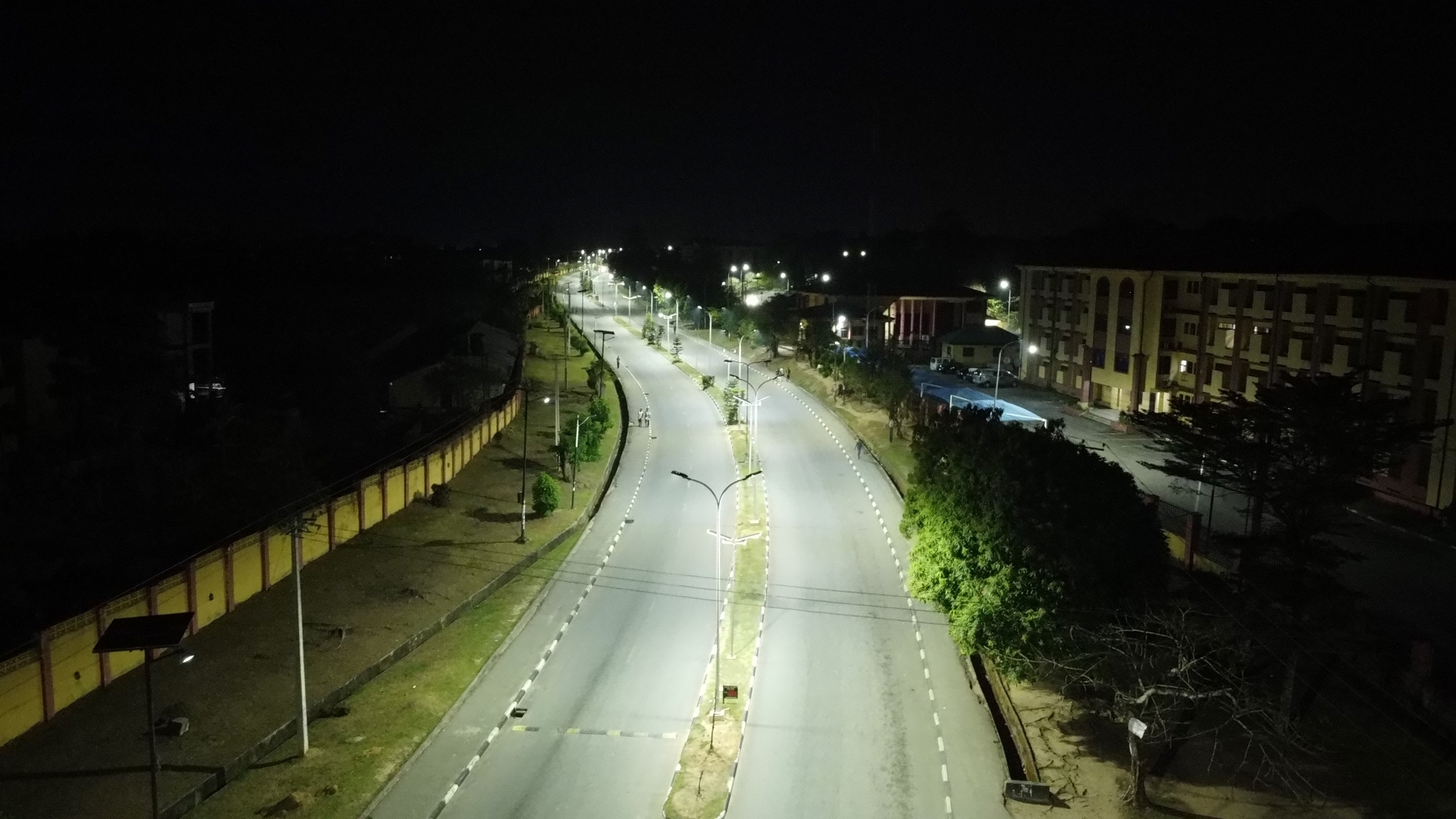
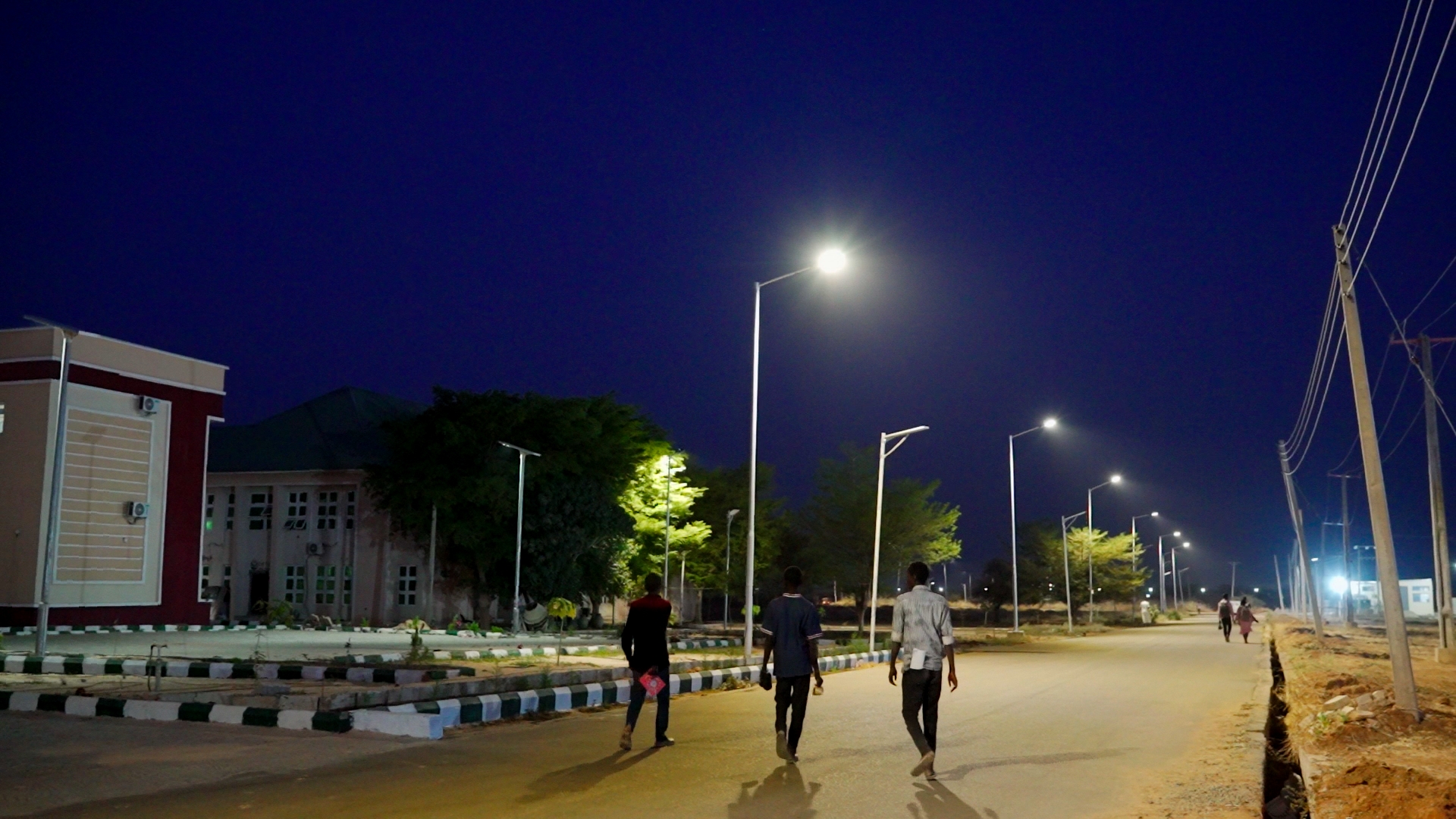
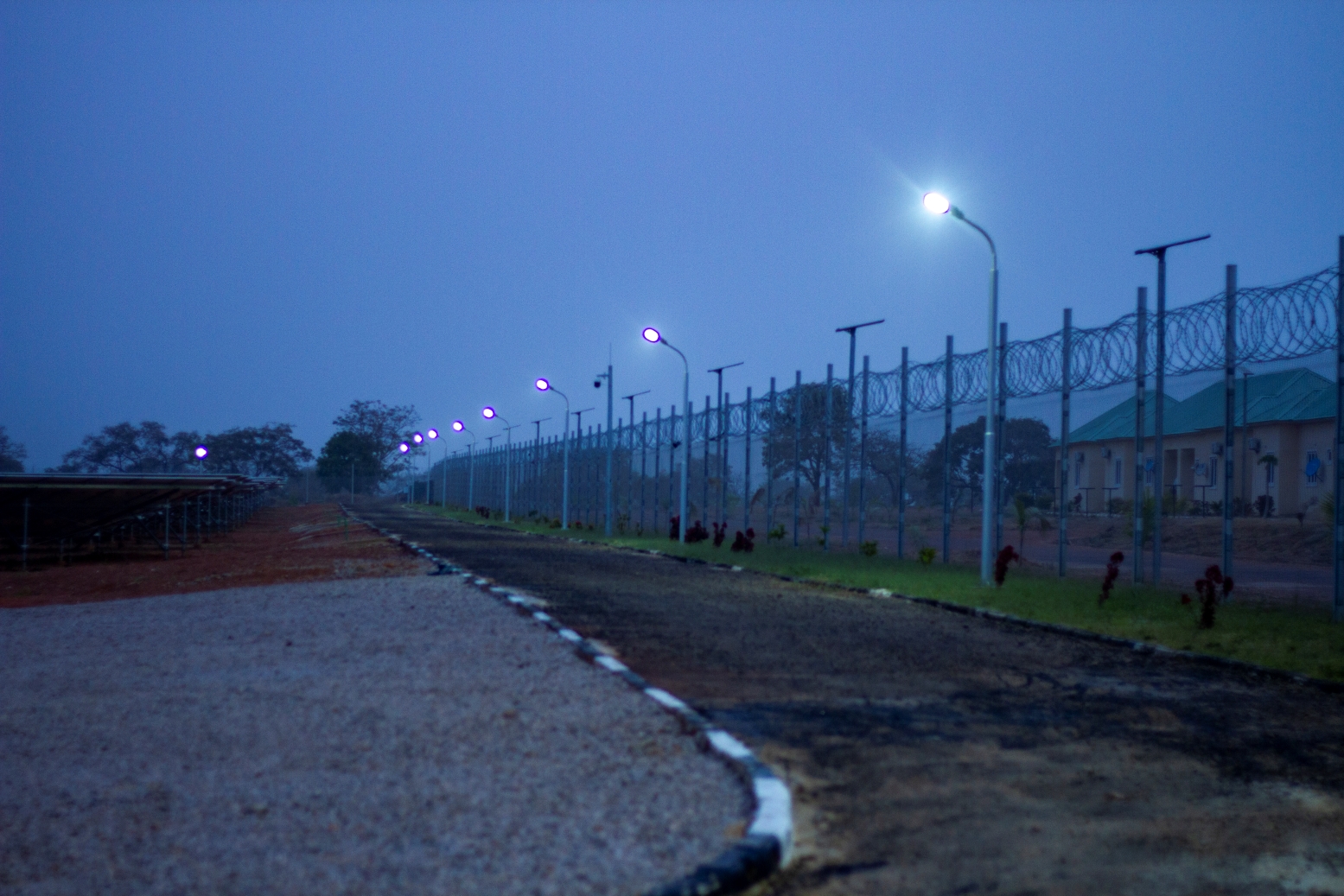
Installation of solar-powered streetlights to enhance safety and security
-
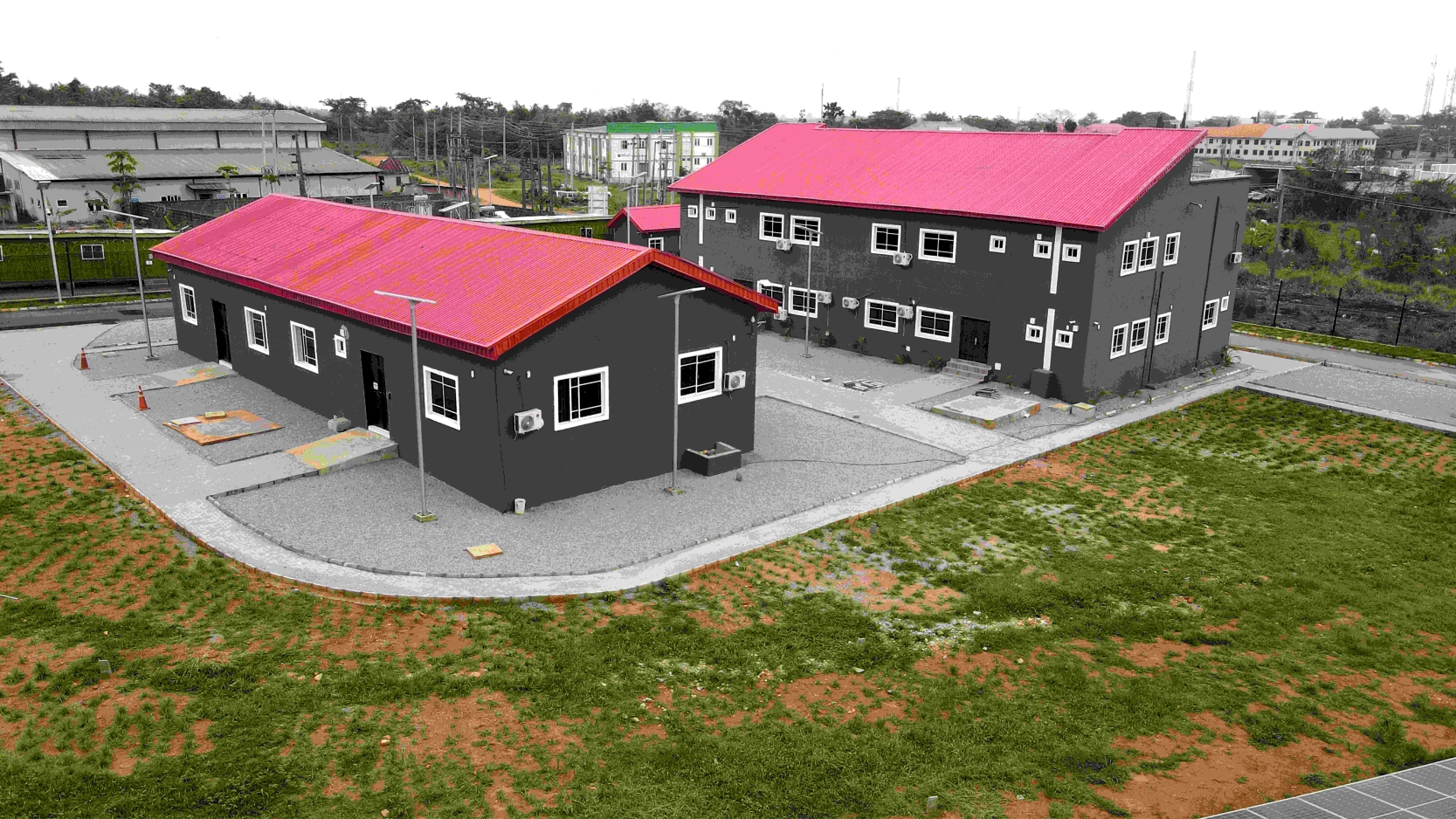
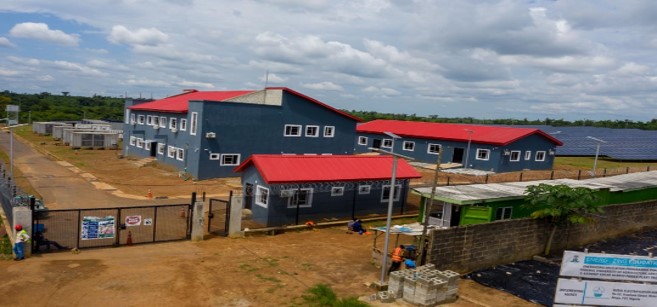
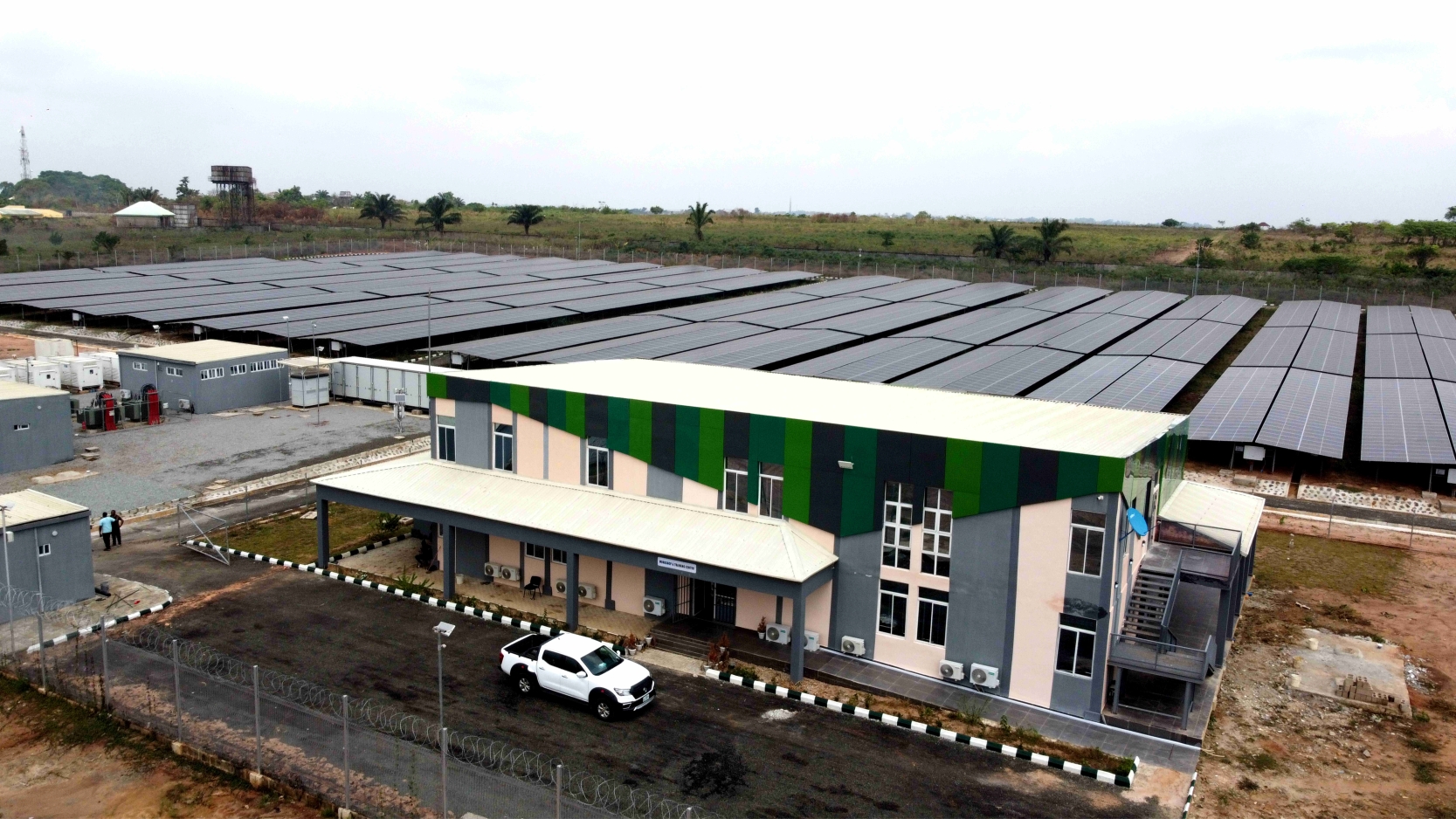
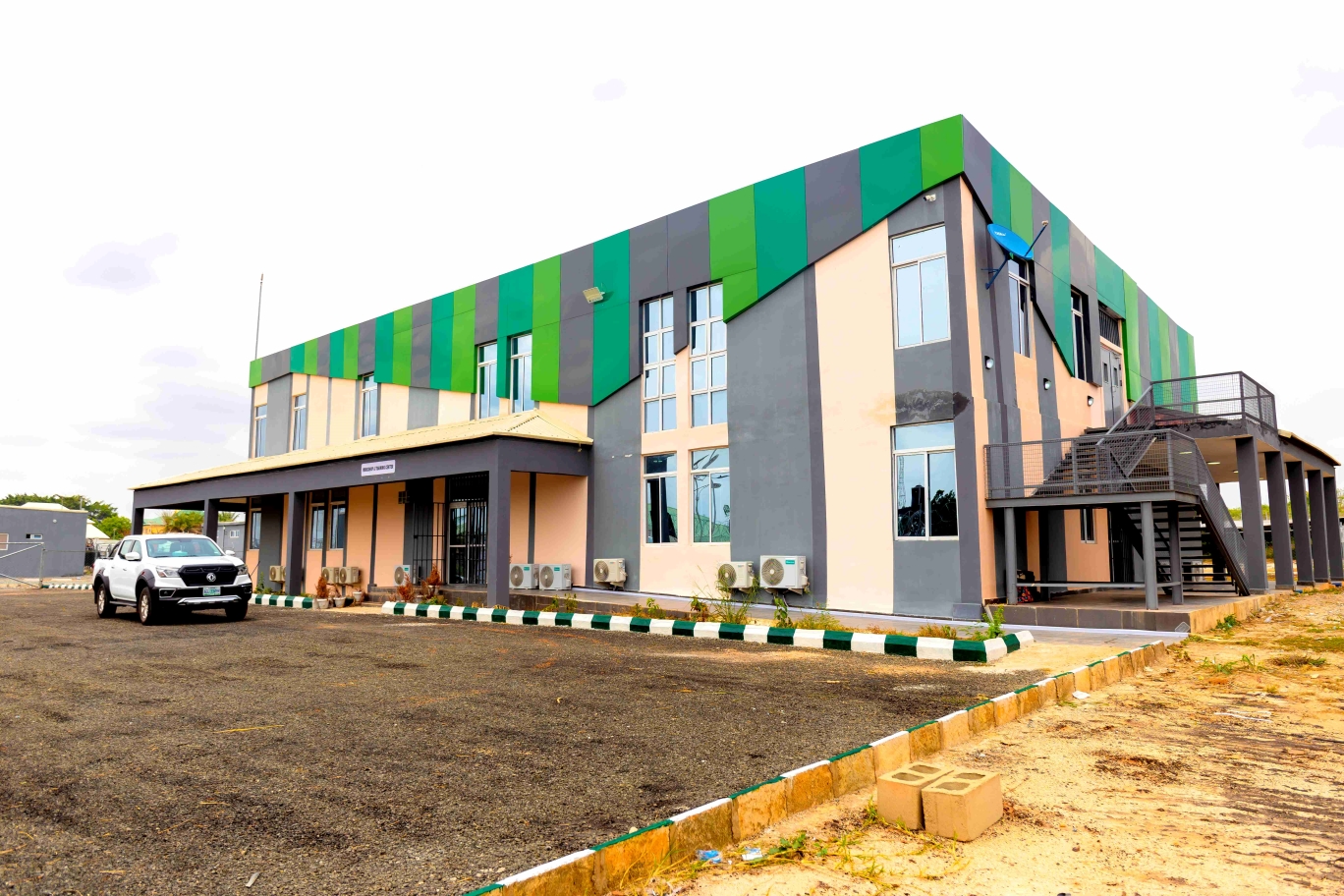
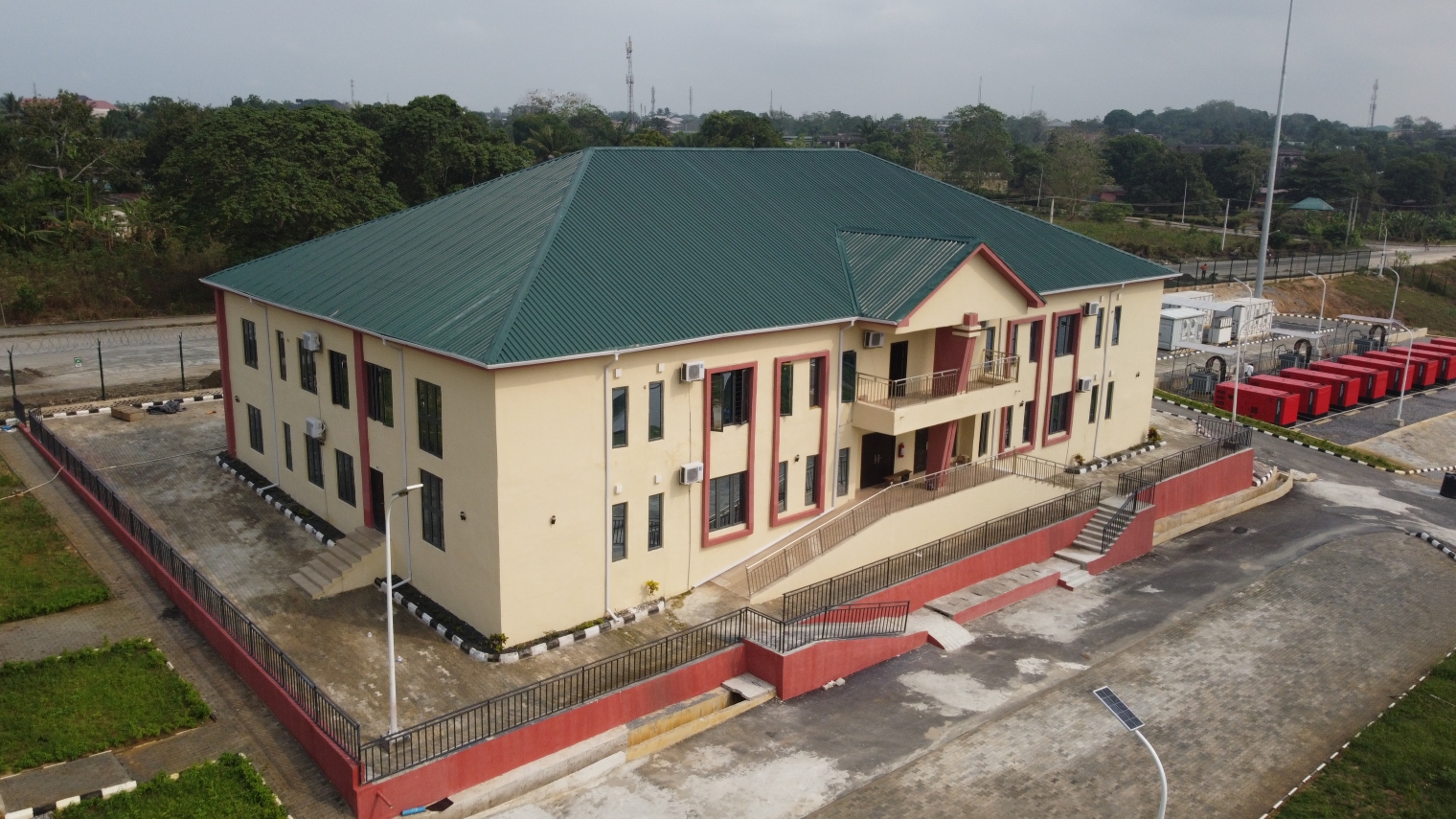
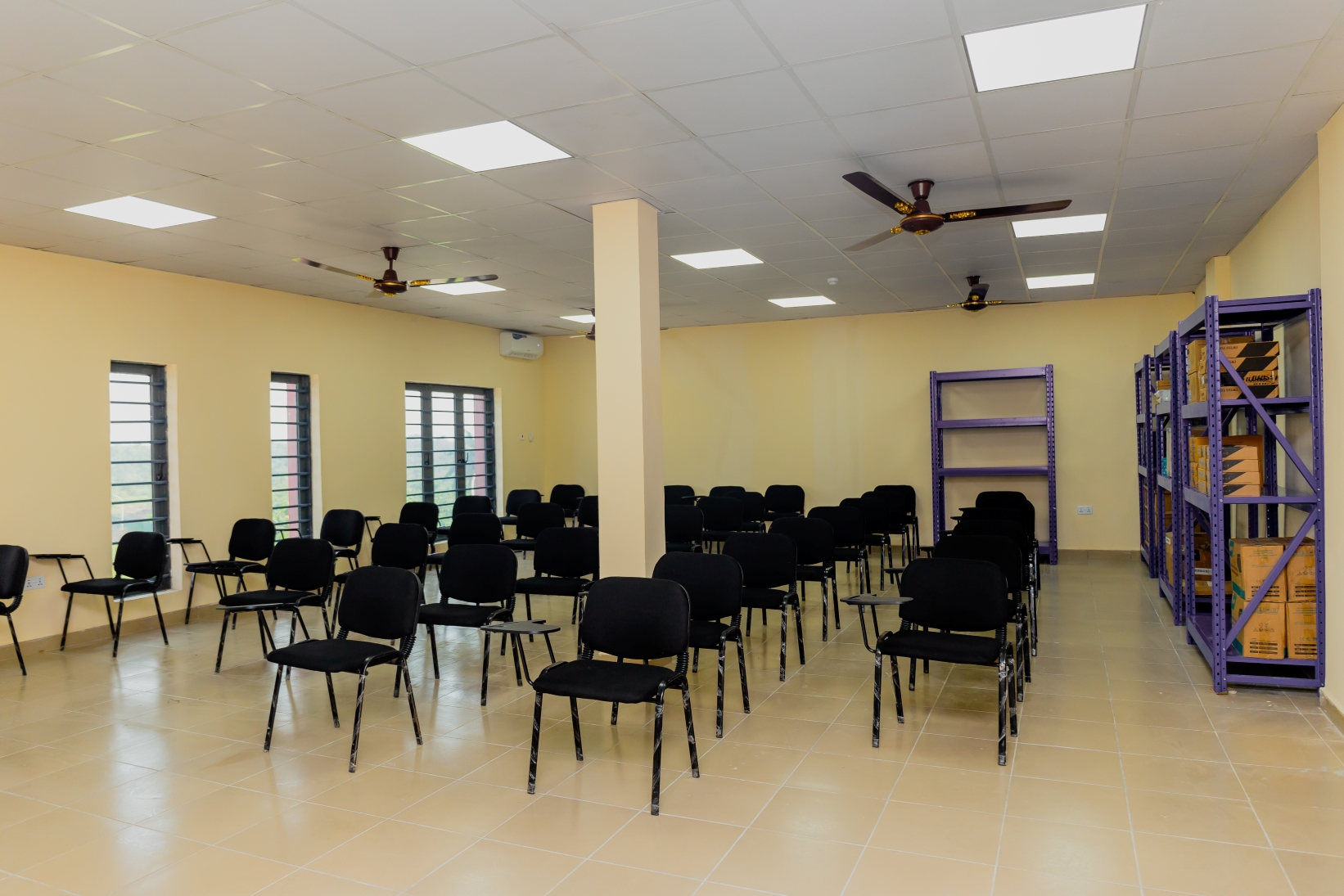
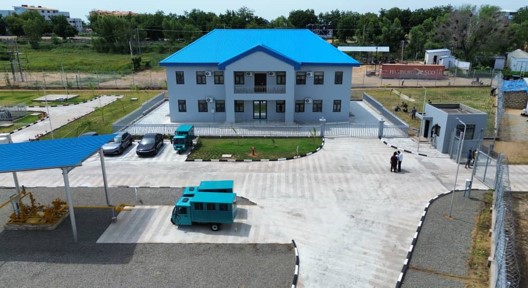
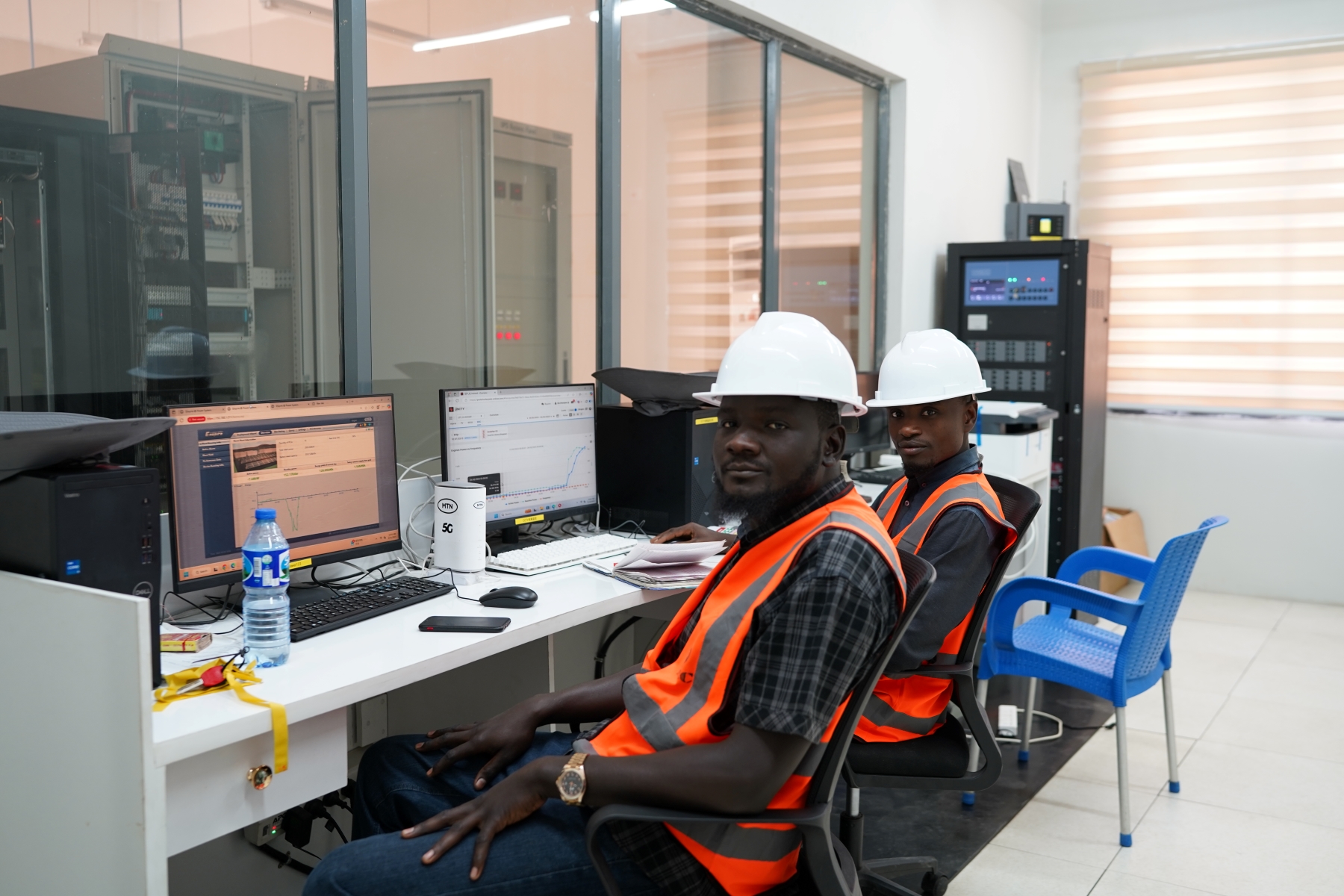
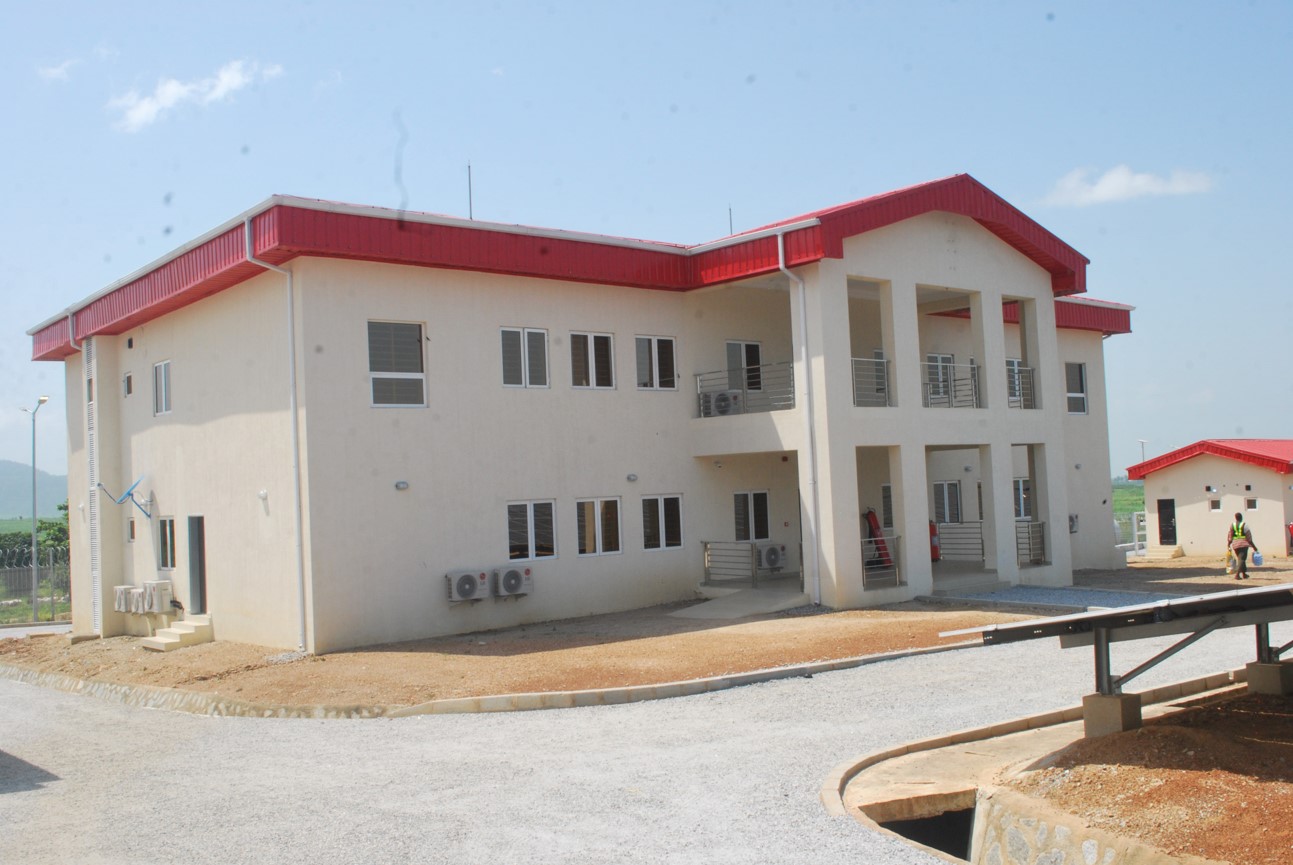
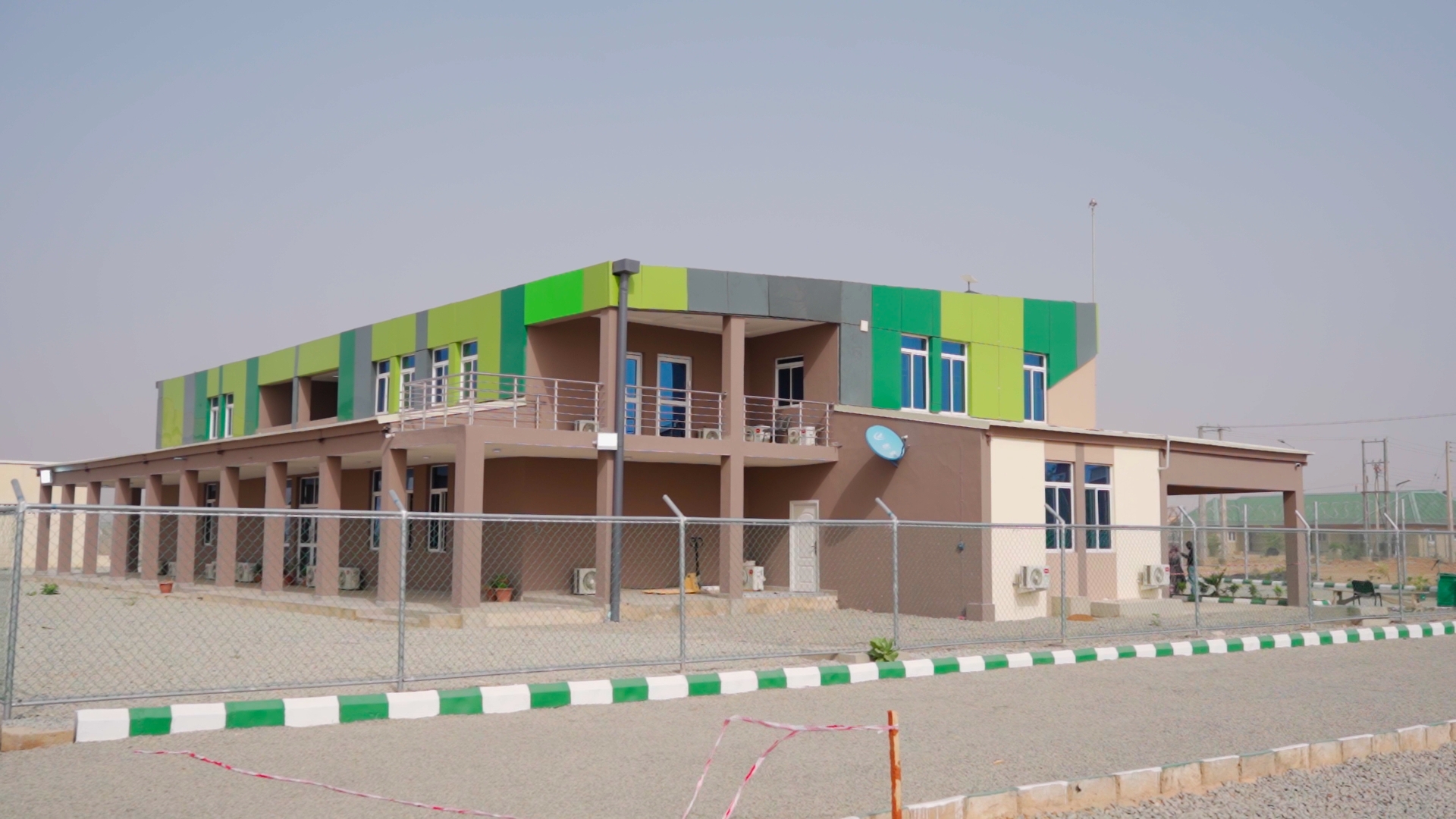
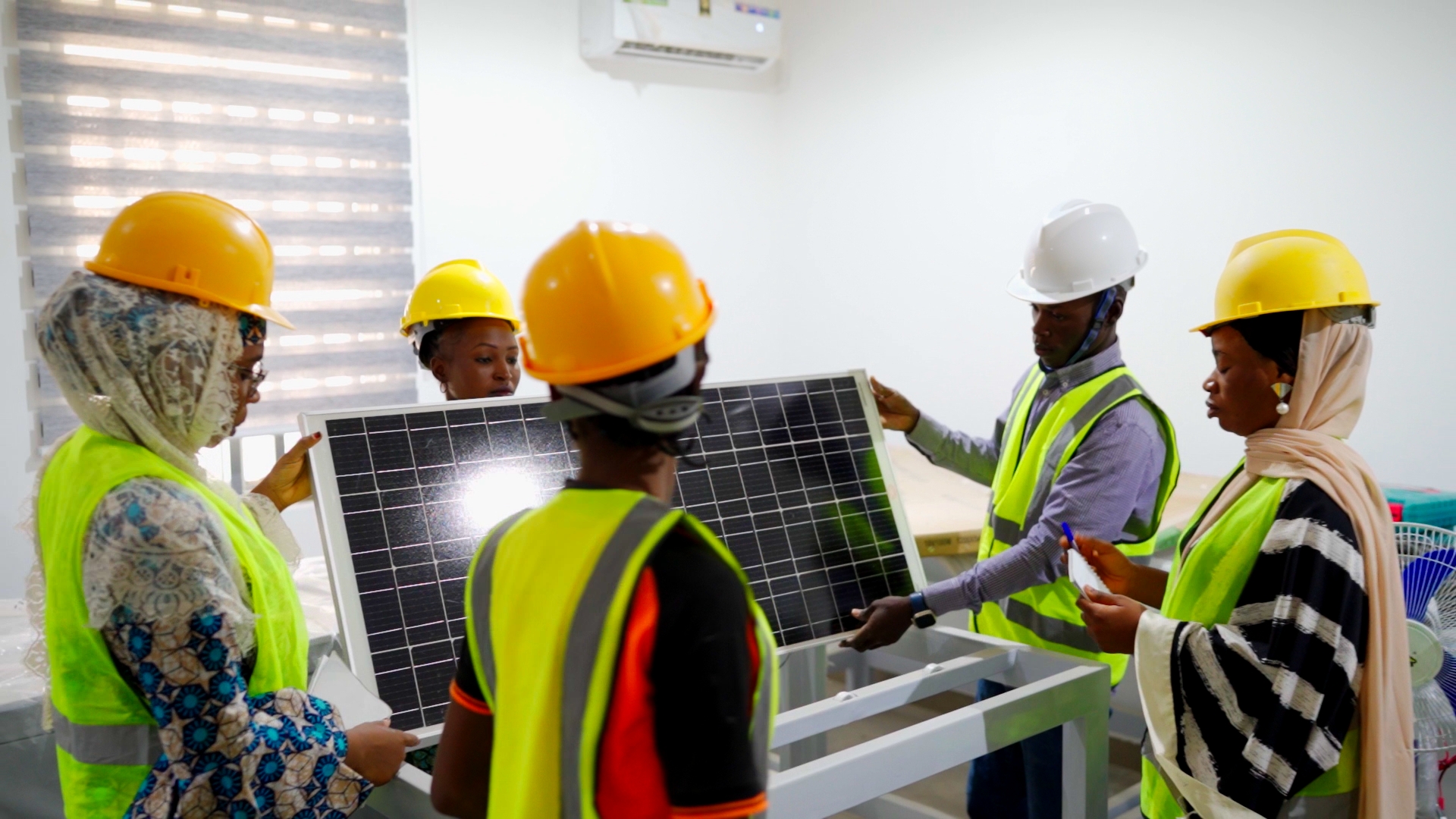
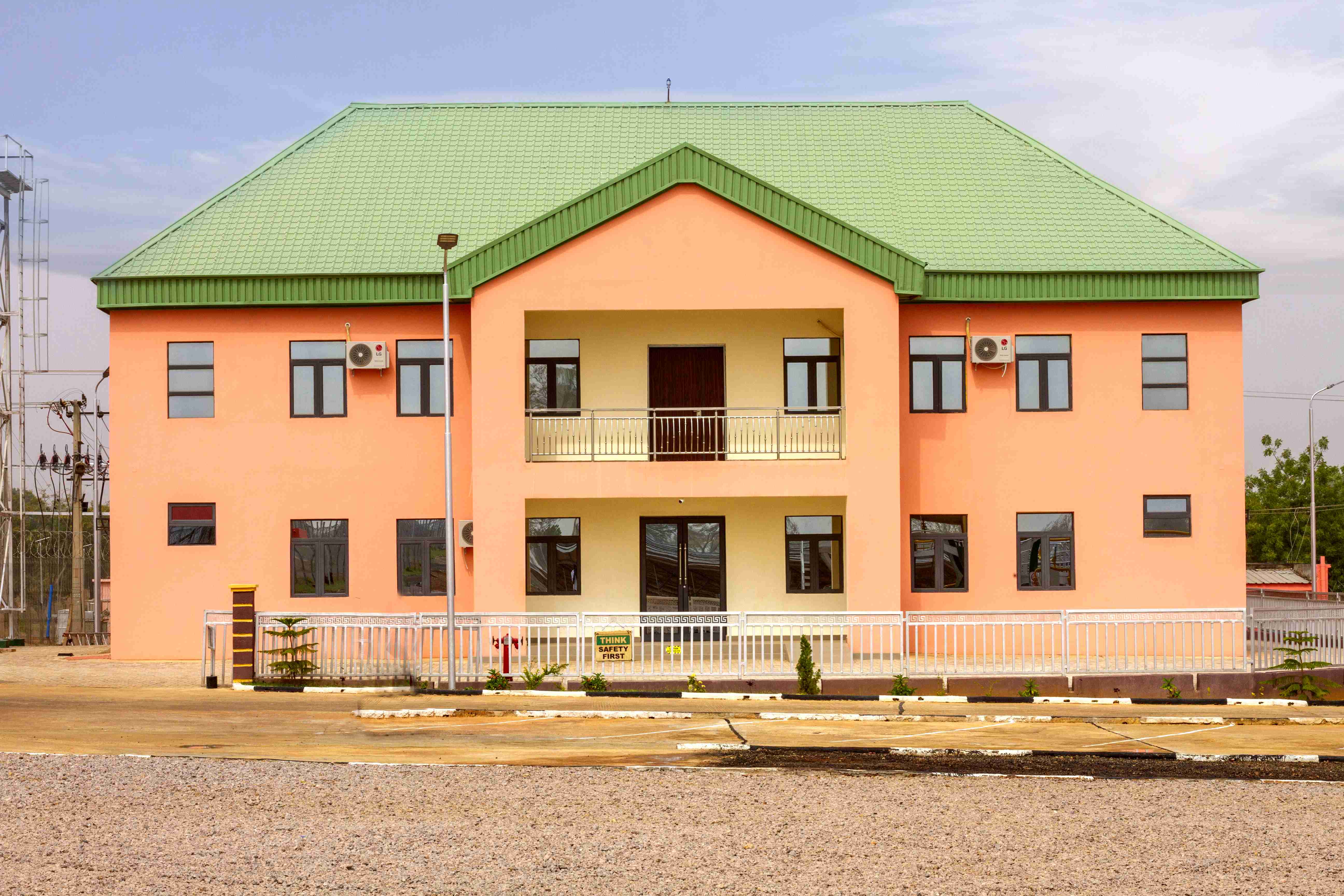
Establishment of a Renewable Energy Workshop and Training Centre (WTC), a hands-on learning hub designed to build local technical capacity and nurture future leaders for Nigeria’s clean energy transition.
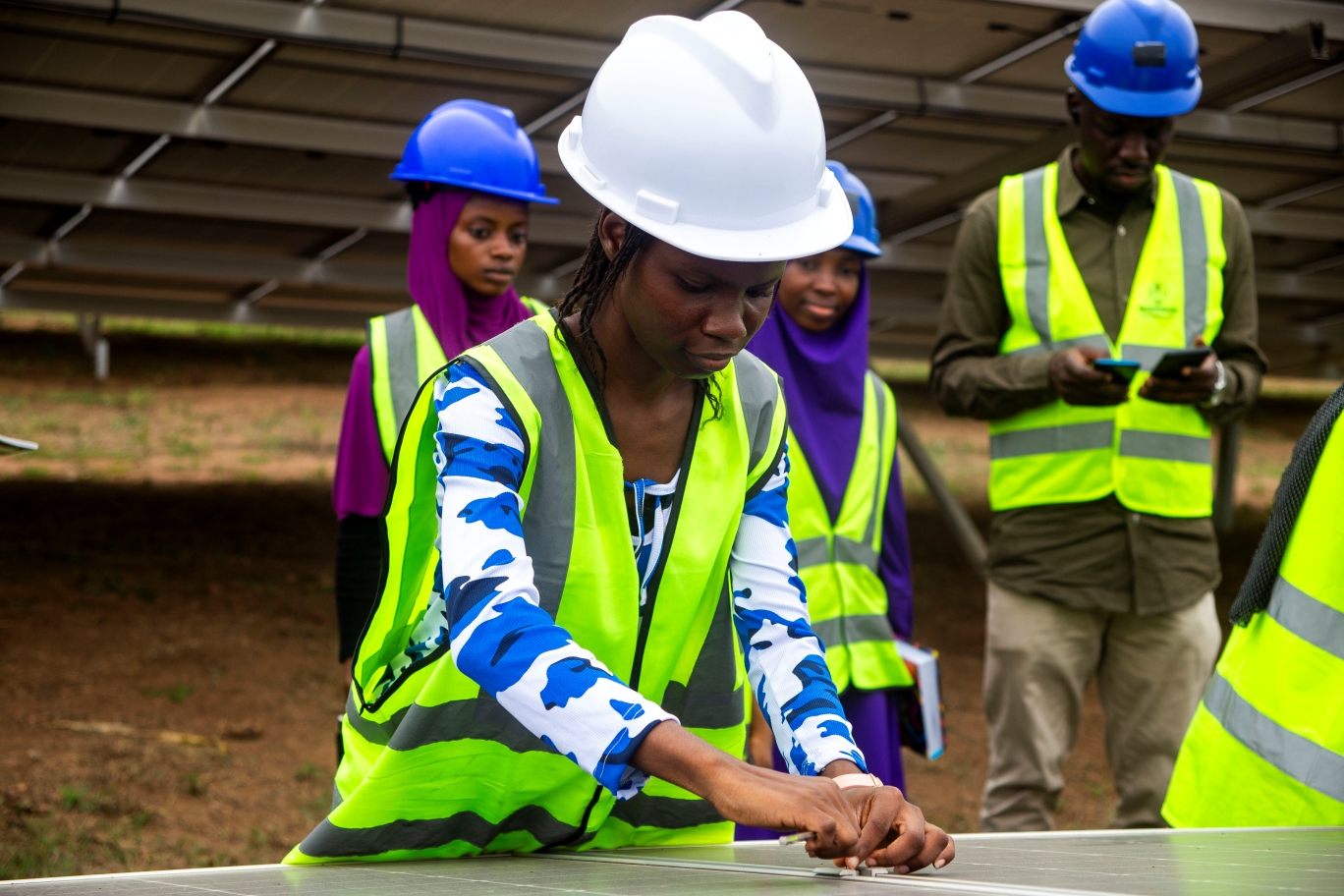
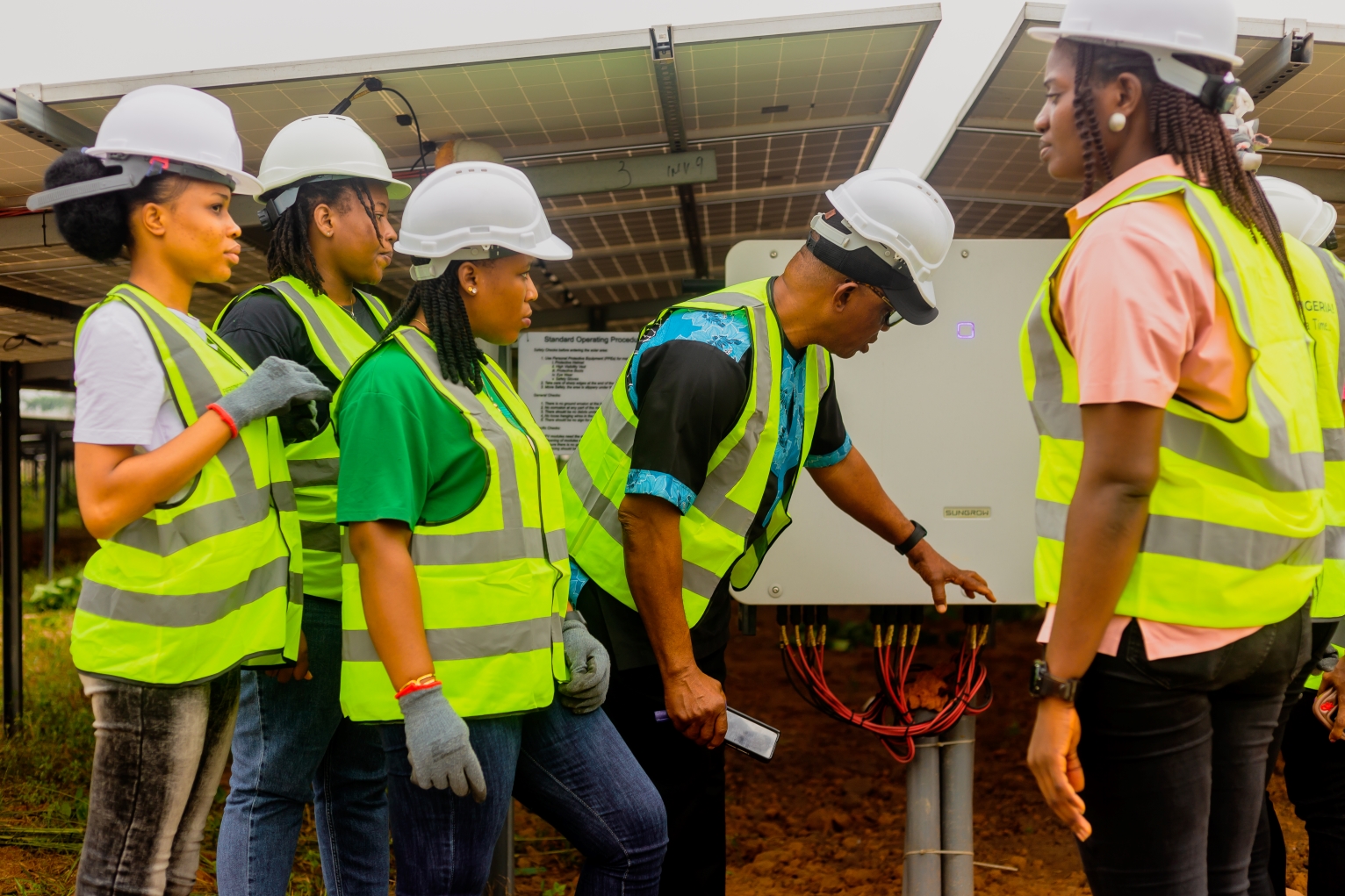
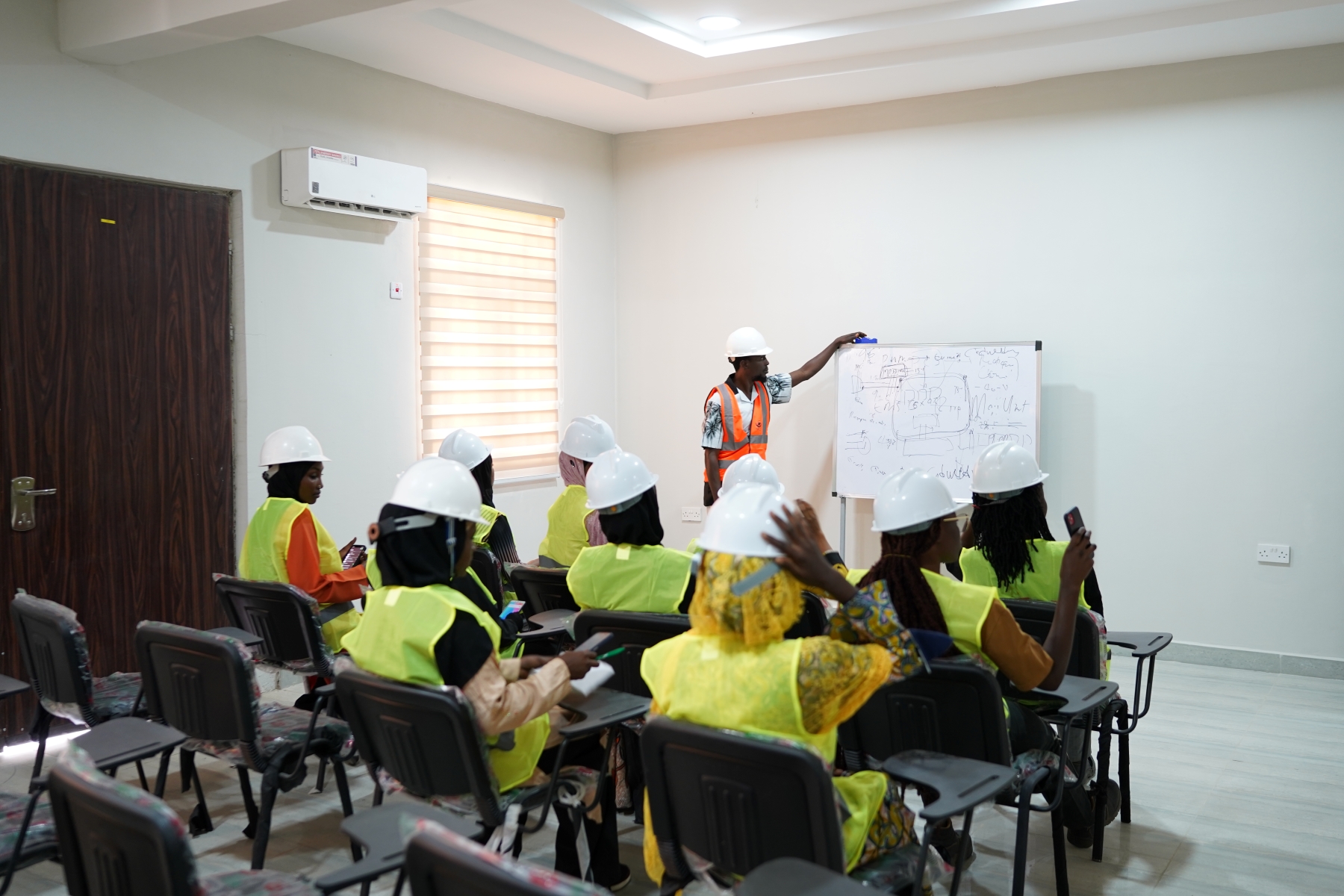
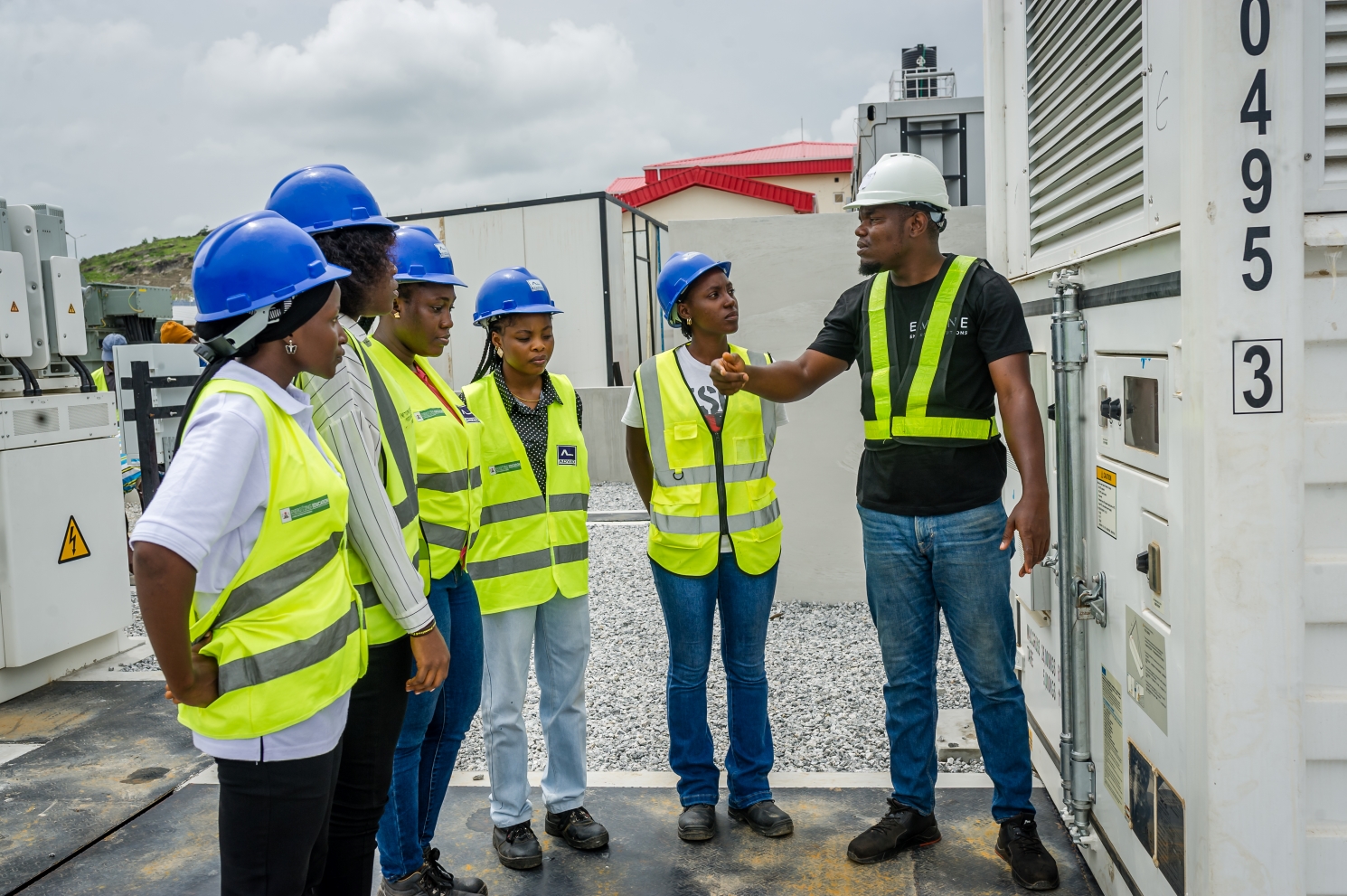
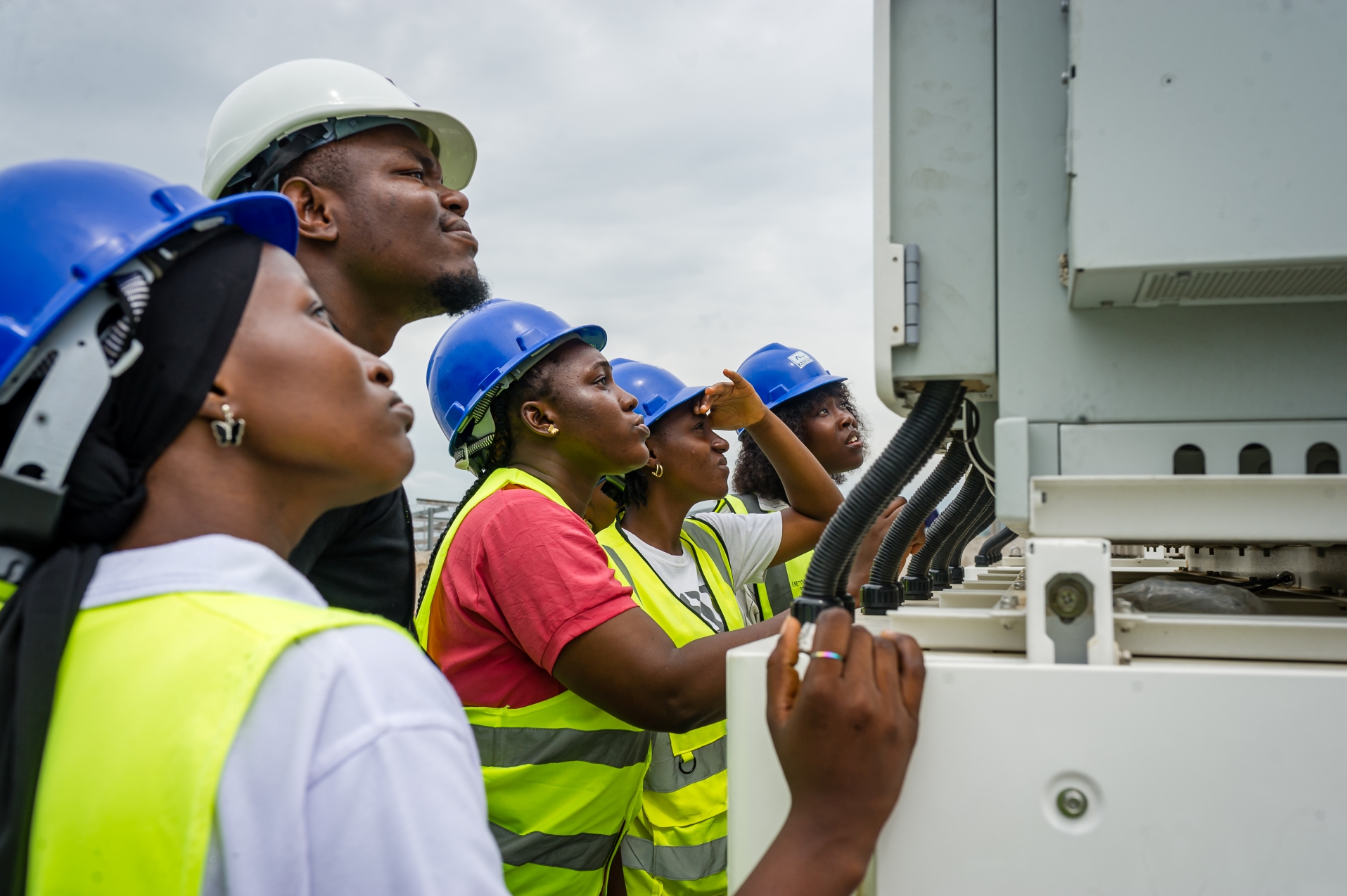
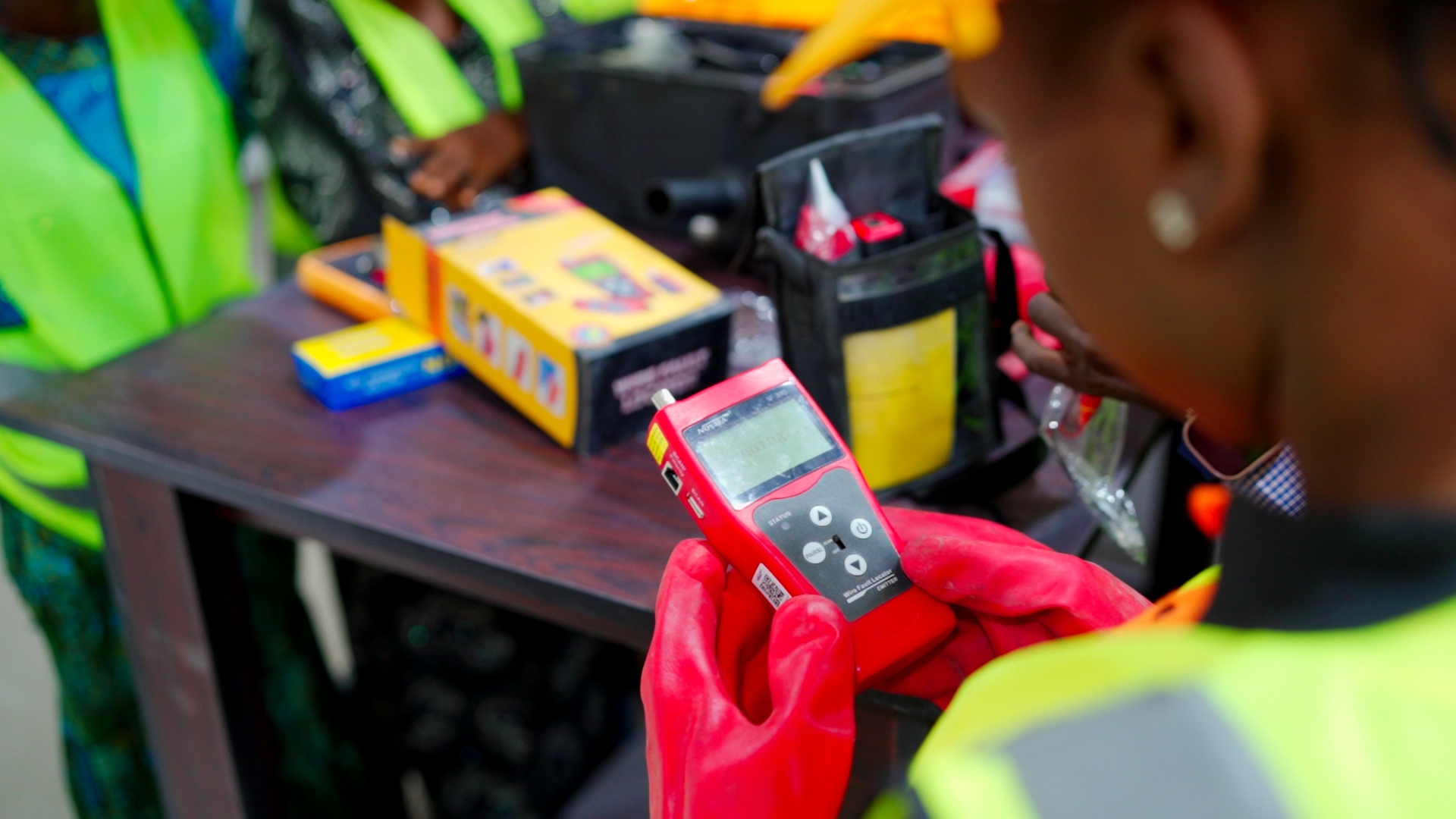
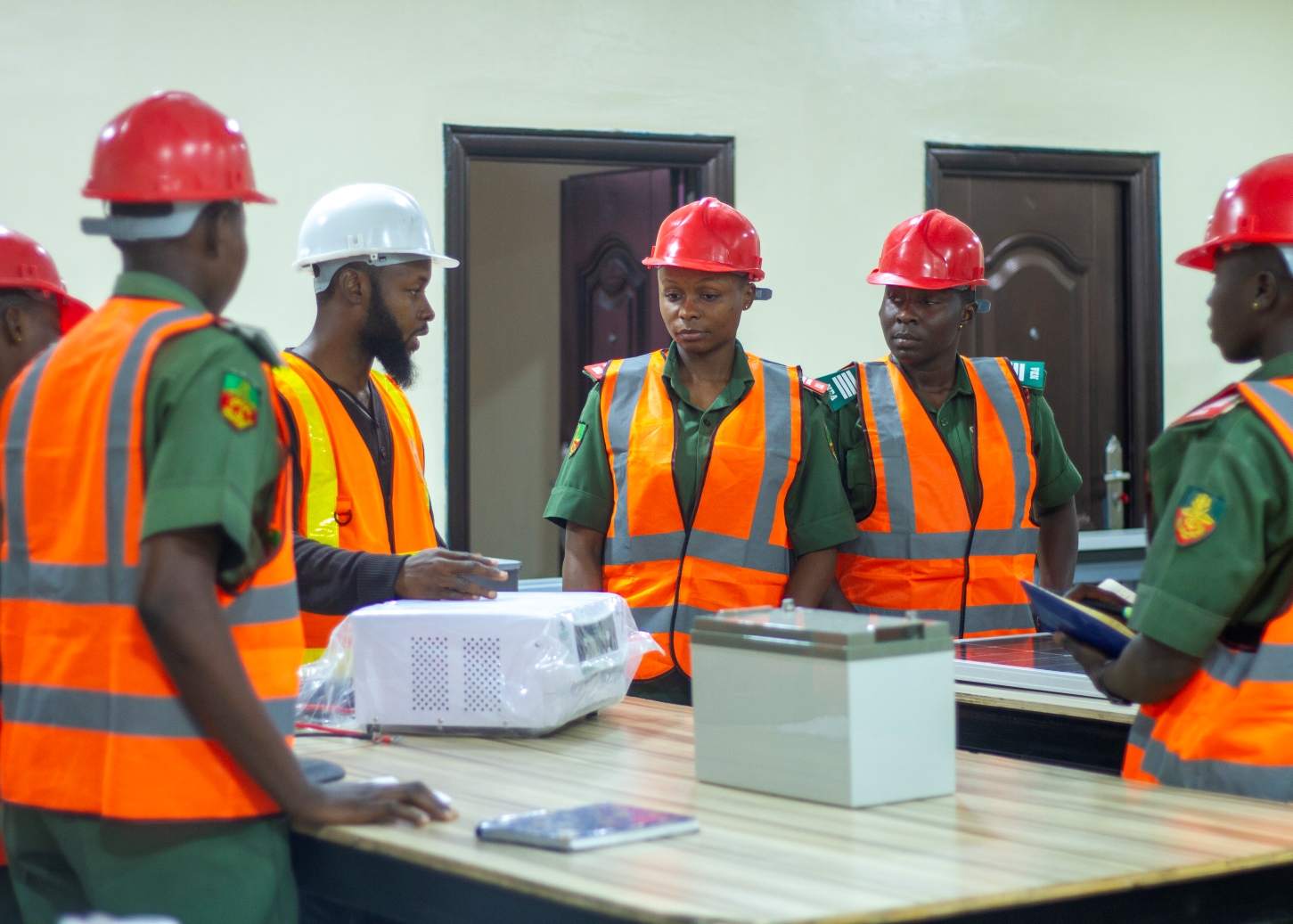
As part of its commitment to gender inclusion and diversity, the programme has also trained 140 female STEM students across the beneficiary institutions in renewable energy technologies, equipping them with the skills to thrive in the growing energy sector.
FEDERAL
UNIVERSITY OF AGRICULTURE,
ABEOKUTA
MICHAEL OKPARA
UNIVERSITY
OF AGRICULTURE, UMUDIKE
UNIVERSITY OF
CALABAR
& TEACHING HOSPITAL
UNIVERSITY OF
MAIDUGURI
& TEACHING HOSPITAL
UNIVERSITY OF ABUJA
FEDERAL UNIVERSITY GASHUA
NIGERIAN DEFENCE ACADEMY
Funding Breakdown
The FGN through the support of the World Bank, has earmarked $145.8 million for the implementation
of the programme. This is to cover; the Engineering, Procurement & Construction (EPC) of the power
plants, provision of streetlights to improve security within the universities, rehabilitation of
existing distribution infrastructure within the universities, one-year operations and maintenance of
the power plant, and the construction of a world-class workshop & training centers
In addition to the provision of a reliable source of power to the beneficiary institutions, The EEP
includes the following sub-components:
The EEP Phase II will also provide a platform where
twenty (20) female Science, Technology, Engineering and Mathematics (STEM) students from each of the
seven (7) beneficiary institutions will gain hands-on practical training and experience in the
design and construction of power systems, throughout the construction phase of the projects.